
There Is No Single Best Commercial Paint
The best coating is the one that fits the substrate, exposure, existing finish and maintenance expectations. South Florida buildings may combine stucco, concrete block, poured concrete, metal, drywall and wood. A product that performs well on interior drywall is not designed for a sun-exposed parapet. Even two exterior walls can need different preparation when one receives wind-driven rain and the other remains shaded and prone to mildew.
Selection therefore starts with diagnosis rather than color. The contractor identifies the surface, determines whether the existing coating is sound and investigates moisture or adhesion problems. Product data can then be matched to porosity, movement, cleaning and weather. This process is more reliable than choosing the most expensive product or assuming one “premium” coating can solve every building-envelope condition.
Exterior Acrylic Coatings for Stucco and Masonry
Quality exterior acrylic coatings are common on commercial stucco and masonry because they provide color retention, weather resistance and practical maintenance. They are available in finishes that balance appearance and cleanability. On a prepared, compatible surface, acrylic systems can handle South Florida sun and rain while allowing future maintenance coats without unusually complex removal.
The coating cannot compensate for poor preparation. Chalking must be washed away, loose paint removed and cracks evaluated. Porous or repaired areas may need masonry primer for consistent absorption. Sealants at windows and joints should be addressed separately with compatible flexible materials. Applying acrylic over active moisture, powdery residue or failing layers simply attaches the new film to an unstable foundation.
When Elastomeric Coatings May Be Appropriate
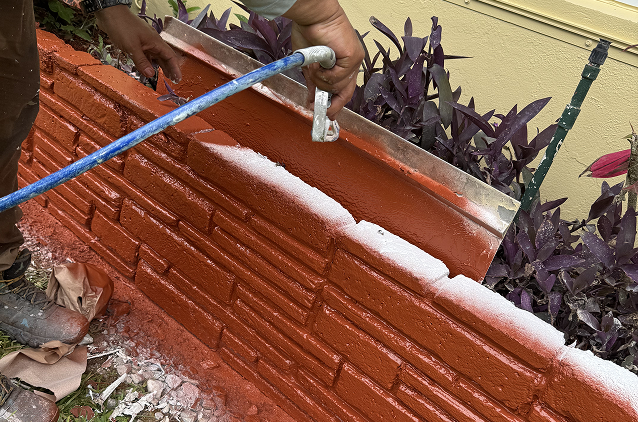
Elastomeric coatings form a thicker, flexible film and are often considered for masonry exposed to heavy rain or hairline movement. They can bridge very small surface cracks when applied at the specified thickness. That does not make them a structural repair or a universal waterproofing solution. Wider cracks, moving joints, penetrations and failed sealants require their own repair details before the coating is installed.
Vapor behavior and existing layers also matter. A thick exterior film can change how moisture dries through a wall. The contractor should investigate recurring blistering or efflorescence rather than trapping the condition under another layer. Elastomeric products must be applied at manufacturer spread rates, often through multiple coats. Stretching the material too far defeats the film thickness that provides its performance.
Primers Are Selected for a Specific Problem
Primer is not automatically required on every previously painted surface, but it is essential when the substrate or repair needs it. New masonry may require an alkali-resistant masonry primer. Glossy or difficult existing coatings may need bonding primer after testing and abrasion. Bare or cleaned metal may need a corrosion-resistant primer. Interior stains may require a blocking primer after the source of the stain is corrected.
Spot priming and full priming are different scopes. Spot primer can support isolated repairs, while full primer may be justified on a porous, heavily patched or color-changing surface. The proposal should identify the intended primer and where it will be used. Vague language such as “prime as needed” makes it difficult for an owner to confirm whether competing contractors planned the same system.
Durable Interior Finishes for Active Buildings
Commercial interiors need products selected around traffic and cleaning. Private offices may use low-sheen washable coatings that reduce glare and hide minor imperfections. Corridors, restrooms, break rooms and customer-facing spaces often need greater scrub and stain resistance. Doors and trim generally require a harder finish than walls. Low-odor and low-VOC options can support occupied schedules, although ventilation and cure time still need planning.
Sheen affects both durability and appearance. Higher sheen can improve cleanability but highlights patches and uneven surfaces. Matte products can create a refined finish but should be chosen with realistic maintenance expectations. Samples applied to the actual wall allow the owner to review color and sheen under building lighting. This is more accurate than approving from a small chip viewed in a different environment.
Coatings for Metal, Concrete and Specialty Areas
Metal railings, doors and structural components require removal of loose rust and compatible primers. Painting over corrosion without stabilizing it allows staining and film failure to return. Concrete floors and service areas may need systems designed for abrasion, chemicals and tire traffic. These are not standard wall paints, and surface profiling or moisture testing may be required before application.
Roof coatings, waterproof membranes and sealers are also separate categories. Reflective roof coatings are designed for eligible roof assemblies, while waterproofing details address joints, penetrations and transitions. Clear or penetrating concrete sealers behave differently from film-forming coatings. Treating every liquid-applied product as “paint” can lead to the wrong preparation and unrealistic expectations about leaks or wear.
Color Retention, Mildew and Miami Exposure
South Florida UV exposure can fade certain colors more quickly, particularly intense or organic hues. Building orientation and shade create uneven weathering. Product quality, pigment selection and maintenance all influence color retention. Samples should be reviewed in sun and shade, and ownership should understand that very dark colors can increase surface temperature on exposed walls.
Mildew resistance is valuable, but no coating keeps a dirty, damp surface permanently clean. Landscaping, irrigation, shade and poor drainage encourage recurring organic growth. Surfaces must be cleaned before painting, and maintenance washing may still be required. Correcting sprinkler overspray or trapped water can improve the appearance and life of the coating more than relying on a marketing claim alone.
Specify a Complete System, Not Just a Brand
A useful specification names cleaning, repairs, primer, finish product, number of coats and target coverage. It also distinguishes substrates so masonry, metal and drywall receive appropriate systems. Request product data and confirm compatibility with existing coatings. A field adhesion test can be valuable when the previous finish is unknown or has a history of peeling.
Lumens Painting evaluates products as part of the complete commercial exterior painting or commercial interior painting process. Our broader commercial painting service coordinates preparation, samples, scheduling and inspection. The best result comes from matching the system to actual conditions and applying it at the coverage the manufacturer intended.
Field Samples and Maintenance Make the Selection Real
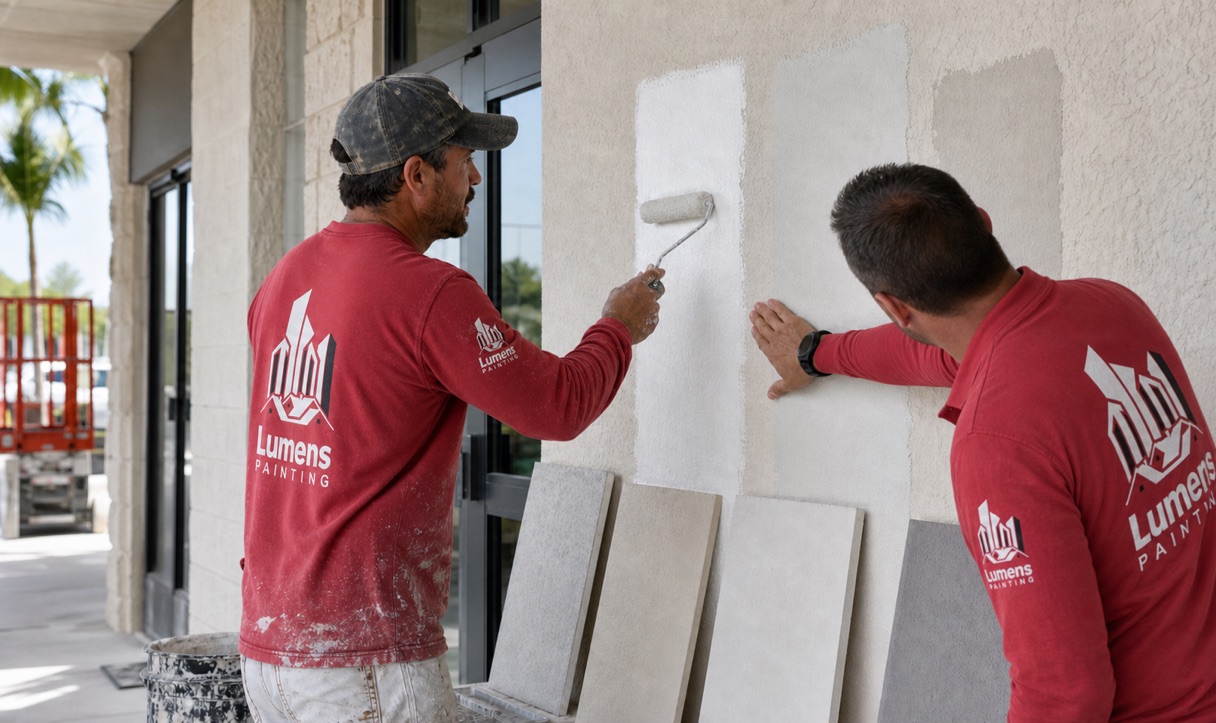
Apply representative samples after preparation rather than painting over an unprepared display patch. A sample can reveal texture, hide, sheen and how the color changes from sun to shade. On exteriors, view it at different times of day. On interiors, review it under the building’s actual lamps. Record the approved color, sheen and substrate so a nearby sample does not accidentally become the standard for a different surface.
Discuss how the coating will be cleaned and touched up. Aggressive chemicals can dull or soften some finishes. Pressure washing performed too close can damage exterior films. Touchups may flash when sheen or aging differs, so broad wall-to-wall recoating can look better in prominent areas. Product selection should reflect the maintenance staff and methods the property will actually use.
South Florida performance is a partnership between material, preparation, application and building care. Drainage problems, leaking joints and irrigation overspray can defeat an excellent product. A coating specification is strongest when it is paired with repairs and a simple inspection plan. That approach avoids relying on paint to solve conditions it was never designed to control.
Continue Planning Your Project
To plan the related surfaces, schedule and finish requirements, read Commercial Exterior Painting in Fort Lauderdale’s Coastal Climate and Warehouse Painting in Miami: Floors, Walls, Safety and Downtime. Apply the guidance to your own property; location-specific approvals and site conditions still need individual review.