
The Difference Is Larger Than Building Size
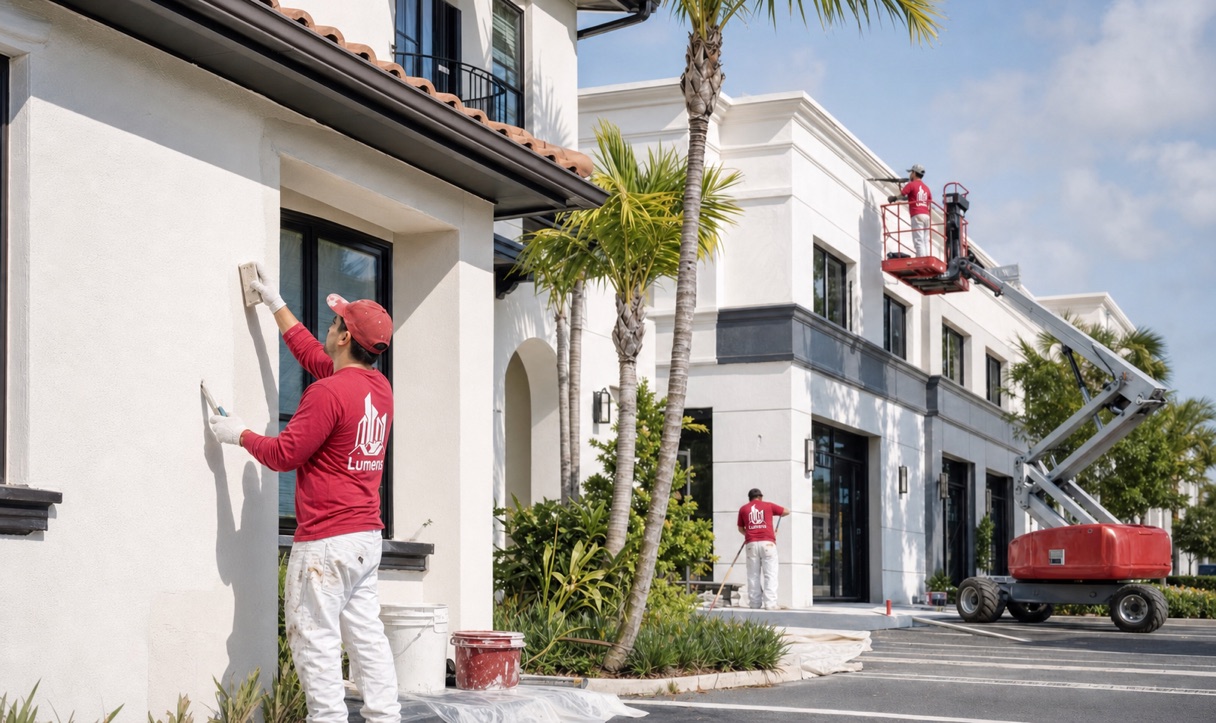
Commercial and residential painting use many of the same fundamental skills: protection, preparation, compatible coatings and clean application. The difference is how those skills are organized around the property. A home project centers on a family’s rooms, belongings and daily routine. A commercial project may involve employees, customers, tenants, security, deliveries and multiple decision-makers across a much larger operating schedule.
This changes the estimate, staffing and communication. Commercial scopes often include formal phasing, access equipment, daily reports, safety controls and approvals from property management. Residential work usually involves closer coordination with one homeowner and more detailed protection of furnishings and personal spaces. Neither category is automatically more difficult; each has risks and expectations that require a suitable plan.
How Costs Are Calculated
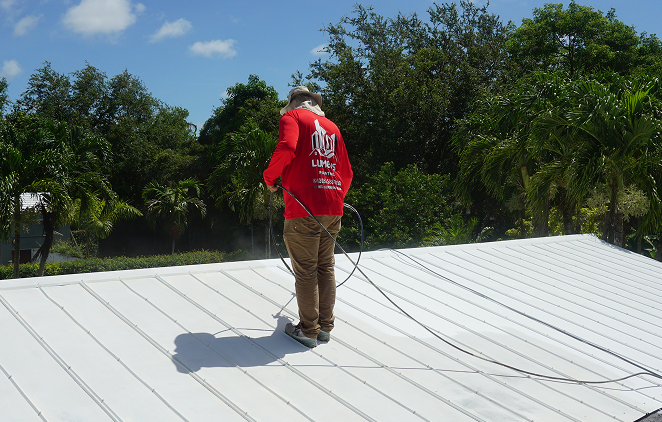
Residential estimates may be organized by room, wall area, elevation or a complete-home scope. Commercial work is often measured by square feet, linear feet or quantities of doors and detailed components. Unit prices help managers budget large areas, but preparation, access and occupancy still determine the installed cost. A high open warehouse wall may be efficient, while a smaller occupied clinic can require slow phasing and extensive protection.
Commercial painting is not always more expensive per square foot. Large repetitive surfaces can create production efficiency. Costs rise when work requires nights, lifts, traffic control, specialty coatings or constant setup around operations. Residential pricing can also rise with detailed trim, high ceilings, crowded rooms, custom colors or extensive repairs. The correct comparison is the defined scope rather than the property label.

Product and Finish Selection
Residential products are often selected around appearance, washability, family use and low odor. Bedrooms and living areas may favor refined low-sheen finishes, while kitchens, bathrooms and trim need better cleaning resistance. Exterior home coatings respond to stucco, wood, concrete and strong Florida exposure. Color coordination is usually a central part of the homeowner’s decision.
Commercial products are selected around traffic, cleaning protocols, downtime and brand presentation. Office corridors and retail walls may need high scrub resistance. Warehouses may require durable masonry coatings or safety colors. Exteriors need UV and weather performance, while metal components require separate primers. Both settings benefit from low-VOC options, but product selection should still account for ventilation and cure time.
Preparation and Protection
In a home, protection includes floors, furniture, cabinets, landscaping and personal belongings. Crews may move room by room so the family can continue using the property. Wall repairs, caulking and careful cut lines are highly visible at close range. Daily cleanup and communication about pets, alarms and access are important parts of a comfortable residential experience.
Commercial protection may cover storefront glass, equipment, inventory, signs, vehicles and public pathways. The team may need dust control, isolated work zones or overspray screening. Exterior preparation can involve lifts and pedestrian controls. Interior preparation may coordinate around workstations or clinical spaces. The scale is larger, but the goal is the same: keep paint and preparation debris confined to the intended surface.
Scheduling and Occupancy
Homeowners often prefer predictable daytime hours and a sequence that restores rooms quickly. Commercial owners may request overnight, weekend or phased work to avoid interrupting revenue. Those restrictions affect production and price. A crew that must mobilize, protect, paint and fully reset a small zone during every shift cannot work at the same pace as a crew with continuous access.
Communication follows the schedule. Residential updates can happen directly with the homeowner. Commercial projects may require daily reports to a manager, tenant notices, security coordination and approvals from ownership. A clear calendar should identify work zones, cure times and when spaces return to service. This prevents freshly coated surfaces from being damaged because users returned before the agreed handoff.
Crew Size, Access and Safety
Residential crews are often smaller because work areas are compact and detailed. Commercial crews may scale up to cover large repetitive surfaces or meet a compressed deadline. More workers do not automatically mean faster completion; supervision, access and trade coordination must support the crew. Large projects need clear staging so materials and equipment do not interfere with occupants.
Commercial projects are more likely to use boom lifts, scissor lifts, scaffolding and controlled pedestrian zones. Homes may still require ladders, roof access and fall protection. In both environments, safety planning should match the task and site. Owners should confirm insurance and avoid proposals that depend on unsafe access simply because proper equipment was omitted from the price.
Quality Control and Final Acceptance
Residential quality review focuses closely on cut lines, coverage, repairs and the appearance of rooms in natural and artificial light. A homeowner may walk every area with the project lead. Commercial quality review often happens by phase, with documented inspections and a final punch list. Large buildings benefit from progress checks because preparation becomes difficult to verify after finish coats cover it.
Both types of projects should confirm colors and sheen before broad application. Samples reduce disputes and show how the finish responds to texture and light. The contractor should remove protection, clean the site and provide maintenance information. Owners should retain product names and colors for future touchups, although touchup appearance can vary after the original coating has aged.
Choosing the Right Painting Team
Choose experience relevant to the property rather than assuming every painter uses the same process. A residential specialist should respect occupied homes and fine details. A commercial contractor should demonstrate scheduling, access planning, documentation and familiarity with active buildings. Ask how the team handles repairs, protects the site and communicates changes instead of evaluating only the total price.
Lumens Painting provides both residential painting and commercial painting across Miami-Dade. That combined experience helps coordinate mixed properties, homeowner associations and maintenance programs without treating the two services as identical. Explore our complete painting services, then request a walkthrough built around the people, surfaces and schedule at your property.
Questions to Ask Before Hiring
Ask how the contractor will prepare the specific surfaces at your property and why the proposed products fit them. Confirm coat counts, sample approval, protection and cleanup. Residential owners should discuss furniture, pets, alarms and daily room access. Commercial managers should discuss work zones, security, tenants, delivery routes and reporting. Clear answers show whether the proposal was built for the site or copied from a general template.
Review insurance, exclusions, change procedures and warranty language. A warranty should not promise control over leaks, structural movement or substrate failure outside the painter’s work, but it should clearly cover workmanship. Ask who supervises the crew and who you call when the schedule changes. A reliable communication structure is especially valuable when decision-makers are not present at the property every day.
Finally, compare the complete experience rather than only the unit price. The right contractor protects occupied spaces, sets realistic expectations and leaves maintainable records. Whether the project is a family home or a large business, preparation remains the foundation of durability. The difference is the operational plan wrapped around that craftsmanship.
Continue Planning Your Project
To plan the related surfaces, schedule and finish requirements, read What Is Commercial Painting? Process, Coatings and Project Planning and Condo Painting in Brickell and Downtown Miami: A Planning Guide. Apply the guidance to your own property; location-specific approvals and site conditions still need individual review.