

Start With the Historic Character of the House
Painting historic stucco in Coral Gables begins with understanding the original architecture, not choosing a color. Mediterranean Revival and other traditional homes depend on the relationship among textured stucco, masonry details, roof tile, shutters, windows and landscape. A successful paint plan protects the wall while keeping those elements visually balanced.
The City of Coral Gables publishes Design Best Practices for single family residences. Owners and project teams should review that official guidance before changing exterior materials, color relationships or character defining details, and should confirm whether city review is required for the proposed scope.
For Miami properties, this step should be documented with dated photos and clear notes about the surface, location and observed condition. Documentation helps an owner compare changes after heavy rain and gives contractors better information when preparing a scope. It also discourages rushed cosmetic work that may cover a moisture symptom without correcting its source.
Product selection comes after diagnosis. A coating, primer or sealant must be compatible with the existing surface and must be installed within the manufacturer requirements for preparation, coverage, temperature, moisture and cure time. When the cause involves roofing, structure, windows, electrical systems or code compliance, the appropriate licensed professional should evaluate that part before painting proceeds.
Inspect Stucco Before Selecting Paint
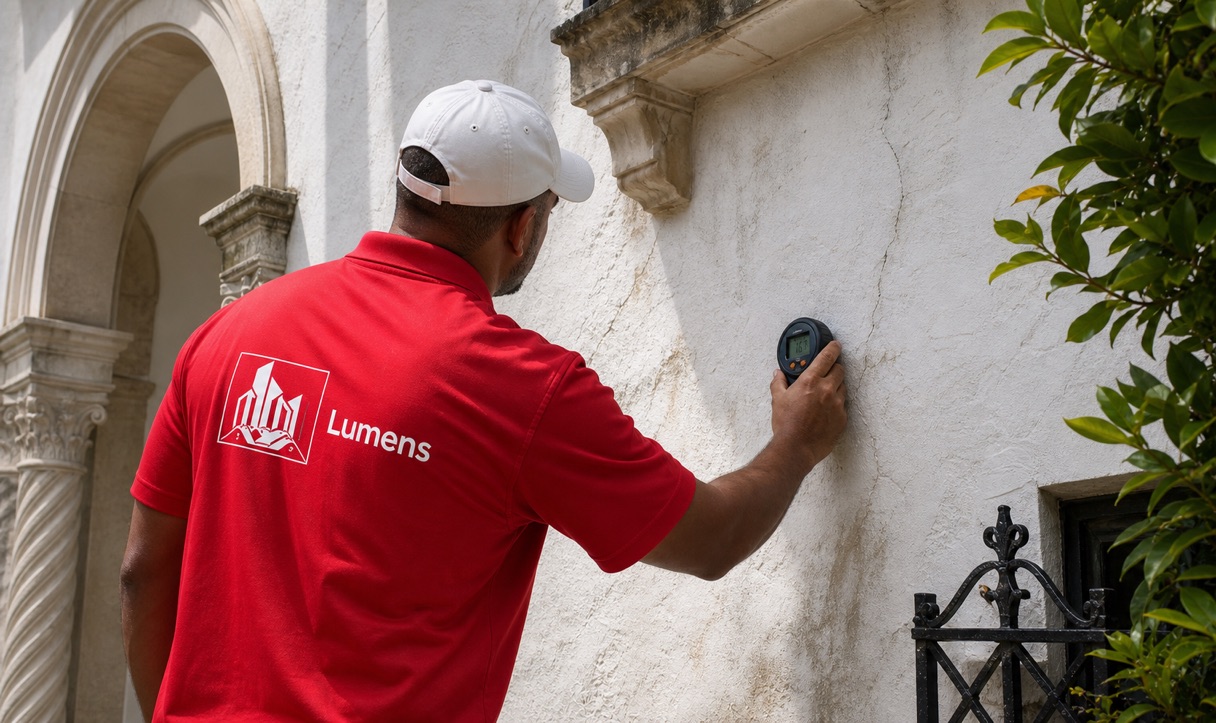
A close inspection should identify hairline checking, open cracks, hollow areas, prior patches, chalking, mildew, efflorescence and stains below windows or roof transitions. Each symptom points to a different preparation need. Painting over an unresolved defect can make the surface look uniform for a short time while moisture or movement continues below it.
Historic walls may contain several generations of coating. Test adhesion in representative areas and identify glossy, brittle or heavily built layers. Moisture readings and observations after rain help separate an active water path from an old stain. Structural movement, roofing defects and failed window assemblies belong with the appropriate qualified professional.
For Miami properties, this step should be documented with dated photos and clear notes about the surface, location and observed condition. Documentation helps an owner compare changes after heavy rain and gives contractors better information when preparing a scope. It also discourages rushed cosmetic work that may cover a moisture symptom without correcting its source.
Product selection comes after diagnosis. A coating, primer or sealant must be compatible with the existing surface and must be installed within the manufacturer requirements for preparation, coverage, temperature, moisture and cure time. When the cause involves roofing, structure, windows, electrical systems or code compliance, the appropriate licensed professional should evaluate that part before painting proceeds.

Repair Cracks Without Erasing Texture
Repairs should follow the scale and texture of the surrounding stucco. A smooth stripe across a sand finish remains visible after painting, while an oversized patch can flatten architectural detail. Small stable cracks may accept a compatible repair product, but recurring or widening cracks should be evaluated before cosmetic work begins.
Sample repairs are useful on prominent elevations. The contractor can match texture, allow the repair to cure, prime it and view the area in changing daylight. This extra step reduces flashing and obvious patch outlines across the finished facade.
For Miami properties, this step should be documented with dated photos and clear notes about the surface, location and observed condition. Documentation helps an owner compare changes after heavy rain and gives contractors better information when preparing a scope. It also discourages rushed cosmetic work that may cover a moisture symptom without correcting its source.
Product selection comes after diagnosis. A coating, primer or sealant must be compatible with the existing surface and must be installed within the manufacturer requirements for preparation, coverage, temperature, moisture and cure time. When the cause involves roofing, structure, windows, electrical systems or code compliance, the appropriate licensed professional should evaluate that part before painting proceeds.
Choose a Compatible Masonry Coating System
The coating system must fit the condition of the stucco and the existing paint. A quality acrylic masonry finish is often considered for sound walls, while other conditions may call for a dedicated primer or a flexible finish. No single coating is automatically correct for every historic house.
Compatibility matters because exterior walls must manage heat, humidity and vapor. A very thick system applied over weak paint can fail with the layer below it. Written product data, adhesion tests and a documented sample area provide better evidence than a generic claim about a product being best.
For Miami properties, this step should be documented with dated photos and clear notes about the surface, location and observed condition. Documentation helps an owner compare changes after heavy rain and gives contractors better information when preparing a scope. It also discourages rushed cosmetic work that may cover a moisture symptom without correcting its source.
Product selection comes after diagnosis. A coating, primer or sealant must be compatible with the existing surface and must be installed within the manufacturer requirements for preparation, coverage, temperature, moisture and cure time. When the cause involves roofing, structure, windows, electrical systems or code compliance, the appropriate licensed professional should evaluate that part before painting proceeds.
Plan Color With Architecture and City Guidance
Historic color planning should consider body color, trim, doors, shutters, decorative masonry and the warm influence of roof tile. Place large samples on more than one elevation and review them in morning sun, shade and late afternoon light. Small chips rarely show how a pale color will read across a large textured wall.
Color approval and design review can depend on the property and proposed change. The official Coral Gables design guidance is the starting reference, but it does not replace direct confirmation with the city. Keep selected colors, product names and sample photos in the project record.
For Miami properties, this step should be documented with dated photos and clear notes about the surface, location and observed condition. Documentation helps an owner compare changes after heavy rain and gives contractors better information when preparing a scope. It also discourages rushed cosmetic work that may cover a moisture symptom without correcting its source.
Product selection comes after diagnosis. A coating, primer or sealant must be compatible with the existing surface and must be installed within the manufacturer requirements for preparation, coverage, temperature, moisture and cure time. When the cause involves roofing, structure, windows, electrical systems or code compliance, the appropriate licensed professional should evaluate that part before painting proceeds.
Protect Details and Landscaping During Painting
Historic homes contain surfaces that should not be covered with wall paint, including stone, tile, metalwork, wood, windows and decorative features. Masking must be secure without damaging aged finishes. Dense landscaping also needs breathable protection that is removed or adjusted at the end of each work period.
Application methods should suit the texture and site. Spraying may place material efficiently, but back rolling or brush work can be needed for coverage and control. The crew should maintain clean edges, avoid filling intended joints and protect neighboring property from drift.
For Miami properties, this step should be documented with dated photos and clear notes about the surface, location and observed condition. Documentation helps an owner compare changes after heavy rain and gives contractors better information when preparing a scope. It also discourages rushed cosmetic work that may cover a moisture symptom without correcting its source.
Product selection comes after diagnosis. A coating, primer or sealant must be compatible with the existing surface and must be installed within the manufacturer requirements for preparation, coverage, temperature, moisture and cure time. When the cause involves roofing, structure, windows, electrical systems or code compliance, the appropriate licensed professional should evaluate that part before painting proceeds.
Build a Practical Maintenance Record
After completion, retain color formulas, product data, batch information and labeled touch up material. Photograph each elevation and note repaired locations. A yearly walk around after the rainy season can catch open joints, new cracks, biological growth and drainage issues before they become larger repairs.
For a local assessment, review Lumens Painting services for exterior painting, stucco waterproofing and the Coral Gables service area. The estimate should separate diagnosis, repair, preparation, priming and finish coats so the owner can understand the complete system.
For Miami properties, this step should be documented with dated photos and clear notes about the surface, location and observed condition. Documentation helps an owner compare changes after heavy rain and gives contractors better information when preparing a scope. It also discourages rushed cosmetic work that may cover a moisture symptom without correcting its source.
Product selection comes after diagnosis. A coating, primer or sealant must be compatible with the existing surface and must be installed within the manufacturer requirements for preparation, coverage, temperature, moisture and cure time. When the cause involves roofing, structure, windows, electrical systems or code compliance, the appropriate licensed professional should evaluate that part before painting proceeds.
Continue Planning Your Project
For additional preparation and maintenance questions, compare How to Protect Stucco From Wind Driven Rain in Miami and Exterior Painting for Pinecrest Homes: Preparation, Coatings and Maintenance. Apply the guidance to your own property; location-specific approvals and site conditions still need individual review.
Common Questions
Frequently Asked Questions
Should historic stucco be inspected before painting?
Yes. Inspection should identify cracks, moisture, weak paint, prior patches and texture differences before products are selected. The correct approach depends on the moisture source, substrate condition, drainage, joints, and previous coatings.
Does Coral Gables publish residential design guidance?
Yes. The city publishes Design Best Practices for single family residences, and owners should confirm whether their proposed exterior change needs review. Product selection should reflect the substrate, existing coating, sun exposure, humidity, rain, and the desired appearance.
Can painters cover every stucco crack with coating?
No. Cracks should be evaluated and repaired according to their width, movement and cause before coating. Preparation is adjusted to the substrate and may include cleaning, masking, repairs, sanding, moisture checks, and compatible primer.
What paint is best for a historic stucco home?
The correct system depends on the existing coating, stucco condition, moisture behavior and required appearance. Compatibility testing is important. The correct approach depends on the moisture source, substrate condition, drainage, joints, and previous coatings.
How can owners maintain painted historic stucco?
Inspect walls yearly, keep drainage working, address open joints early and retain product and color records for compatible touchups. The correct approach depends on the moisture source, substrate condition, drainage, joints, and previous coatings. An inspection helps determine whether cleaning, repairs, sealing, or a compatible waterproofing system is appropriate for the property.