
Wind Driven Rain Finds Openings in the Stucco Assembly
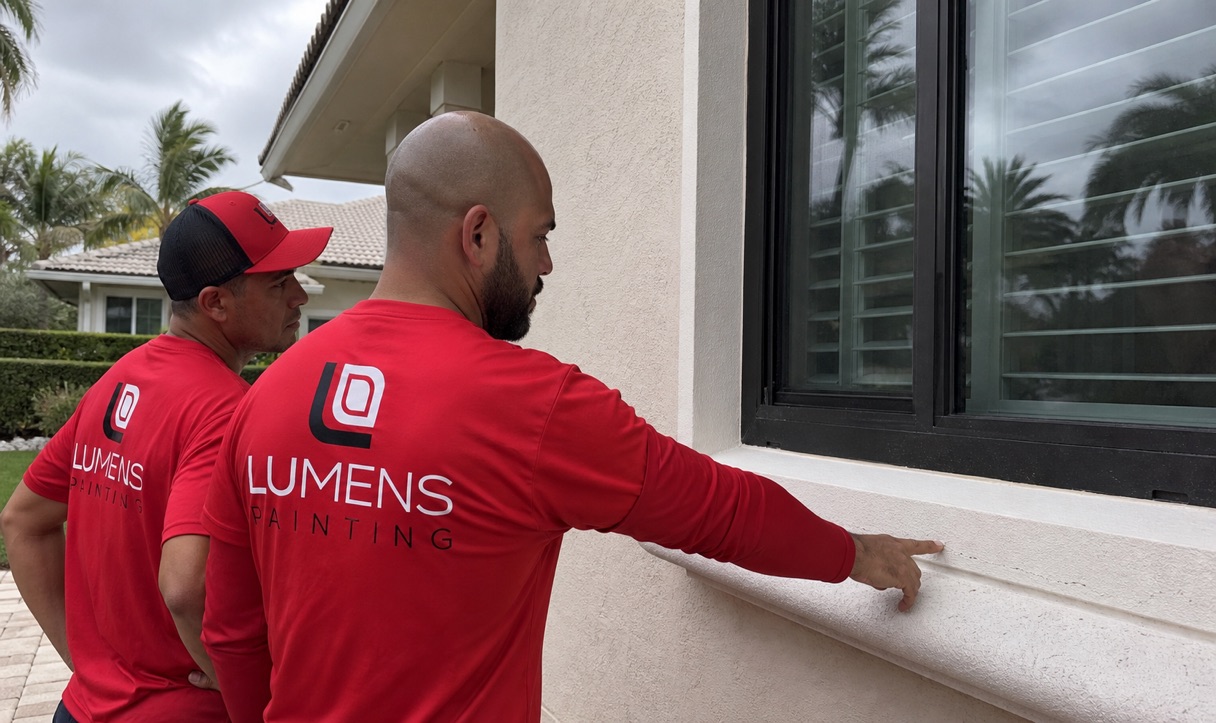
To protect stucco from wind driven rain in Miami, treat the wall as a connected assembly. Wind pressure can push water through cracks, failed sealant, porous coating and weak transitions. The interior stain may appear several feet from the exterior opening.
Begin with rain direction, leak timing and wall orientation. Inspect the complete elevation rather than only the visible stain. A direct answer assessment makes it easier to prioritize the opening most likely to admit water.
For Miami properties, this step should be documented with dated photos and clear notes about the surface, location and observed condition. Documentation helps an owner compare changes after heavy rain and gives contractors better information when preparing a scope. It also discourages rushed cosmetic work that may cover a moisture symptom without correcting its source.
Product selection comes after diagnosis. A coating, primer or sealant must be compatible with the existing surface and must be installed within the manufacturer requirements for preparation, coverage, temperature, moisture and cure time. When the cause involves roofing, structure, windows, electrical systems or code compliance, the appropriate licensed professional should evaluate that part before painting proceeds.
- Inspect the full wall elevation
- Compare leaks with wind direction
- Trace transitions above and beside each stain
Inspect Cracks by Width, Pattern and Movement
Not every stucco crack has the same cause. Fine stable surface cracks differ from diagonal cracks at openings or recurring cracks that show movement. Note width, length, direction and whether the edges are displaced.
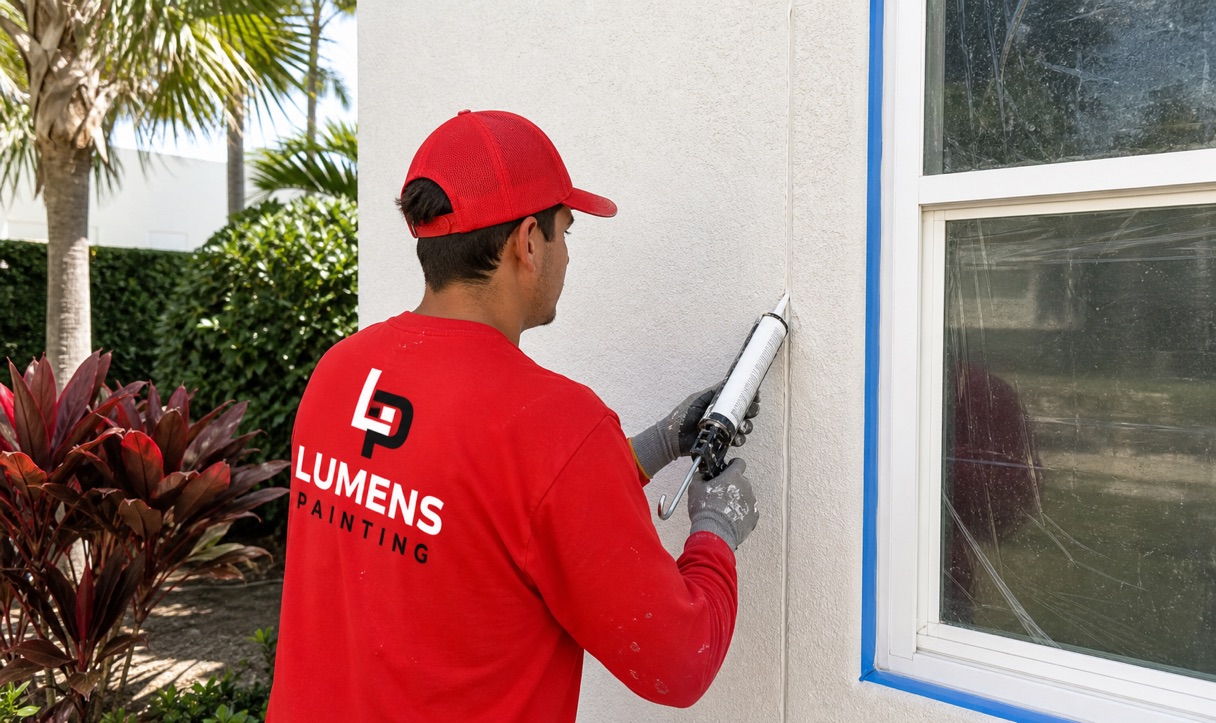
Stable cracks may fit a coating and repair scope. Wide, moving or structural concerns should be evaluated by a qualified building professional. Simply filling every line with one sealant can create visible ridges and may fail when movement returns.
For Miami properties, this step should be documented with dated photos and clear notes about the surface, location and observed condition. Documentation helps an owner compare changes after heavy rain and gives contractors better information when preparing a scope. It also discourages rushed cosmetic work that may cover a moisture symptom without correcting its source.
Product selection comes after diagnosis. A coating, primer or sealant must be compatible with the existing surface and must be installed within the manufacturer requirements for preparation, coverage, temperature, moisture and cure time. When the cause involves roofing, structure, windows, electrical systems or code compliance, the appropriate licensed professional should evaluate that part before painting proceeds.
Examine Windows, Doors and Penetrations
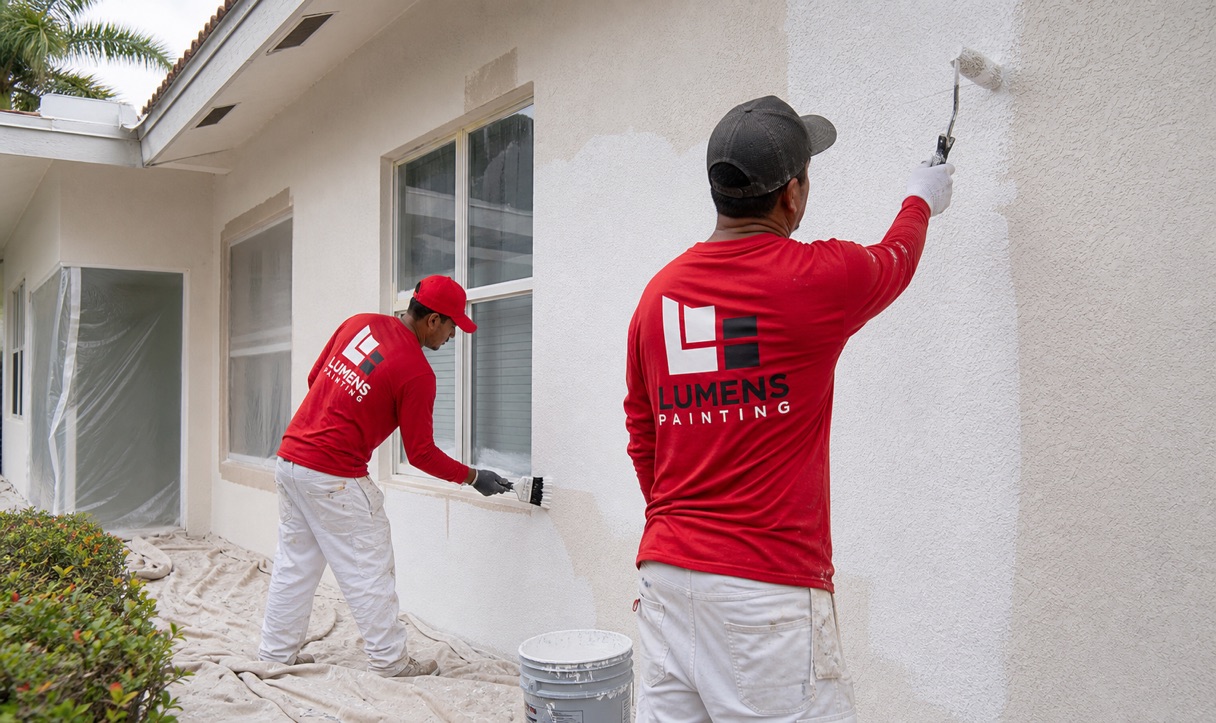
Window corners, door frames, lights, vents and pipe penetrations interrupt the stucco surface. Inspect sealant for separation, cracks and loss of flexibility. Look above each opening for ledges or joints that can direct water behind the frame.
Repairs must preserve intended drainage paths. Some windows release water through weep openings that should never be sealed. When the window assembly or flashing is defective, involve the correct specialist instead of relying on surface caulk.
For Miami properties, this step should be documented with dated photos and clear notes about the surface, location and observed condition. Documentation helps an owner compare changes after heavy rain and gives contractors better information when preparing a scope. It also discourages rushed cosmetic work that may cover a moisture symptom without correcting its source.
Product selection comes after diagnosis. A coating, primer or sealant must be compatible with the existing surface and must be installed within the manufacturer requirements for preparation, coverage, temperature, moisture and cure time. When the cause involves roofing, structure, windows, electrical systems or code compliance, the appropriate licensed professional should evaluate that part before painting proceeds.
Find Moisture Before Repainting the Wall
Peeling, bubbles, efflorescence and stains can signal moisture behind stucco paint. Test suspicious areas and compare readings with a known dry location. Consider recent rain and irrigation before interpreting results.
Do not repaint until the entry source is corrected and the wall is suitably dry. Trapped moisture may push a new coating away from the surface. Damaged interior materials may also require removal and drying by an appropriate restoration professional.
For Miami properties, this step should be documented with dated photos and clear notes about the surface, location and observed condition. Documentation helps an owner compare changes after heavy rain and gives contractors better information when preparing a scope. It also discourages rushed cosmetic work that may cover a moisture symptom without correcting its source.
Product selection comes after diagnosis. A coating, primer or sealant must be compatible with the existing surface and must be installed within the manufacturer requirements for preparation, coverage, temperature, moisture and cure time. When the cause involves roofing, structure, windows, electrical systems or code compliance, the appropriate licensed professional should evaluate that part before painting proceeds.
Repair Stucco and Joints With Compatible Materials
Sound repairs begin with clean, stable edges and products made for the substrate. Cement based patches, elastomeric patching compounds and joint sealants serve different purposes. Texture should be matched after the repair has been formed correctly.
Lumens Painting provides stucco waterproofing and exterior painting. A useful scope identifies each repair type rather than using one general allowance that leaves important transitions undefined.
For Miami properties, this step should be documented with dated photos and clear notes about the surface, location and observed condition. Documentation helps an owner compare changes after heavy rain and gives contractors better information when preparing a scope. It also discourages rushed cosmetic work that may cover a moisture symptom without correcting its source.
Product selection comes after diagnosis. A coating, primer or sealant must be compatible with the existing surface and must be installed within the manufacturer requirements for preparation, coverage, temperature, moisture and cure time. When the cause involves roofing, structure, windows, electrical systems or code compliance, the appropriate licensed professional should evaluate that part before painting proceeds.
Choose a Breathable Coating System for the Wall
Acrylic masonry paint and elastomeric wall coatings are common options, but neither is automatically correct. Existing layers, wall condition, vapor movement and crack profile should guide selection. The manufacturer system may require primer on bare patches or chalky surfaces.
Elastomeric coating can bridge small surface cracks when installed at the required thickness on a suitable wall. It cannot span structural movement or compensate for missing flashing. Use a sample area to confirm adhesion, texture and color.
For Miami properties, this step should be documented with dated photos and clear notes about the surface, location and observed condition. Documentation helps an owner compare changes after heavy rain and gives contractors better information when preparing a scope. It also discourages rushed cosmetic work that may cover a moisture symptom without correcting its source.
Product selection comes after diagnosis. A coating, primer or sealant must be compatible with the existing surface and must be installed within the manufacturer requirements for preparation, coverage, temperature, moisture and cure time. When the cause involves roofing, structure, windows, electrical systems or code compliance, the appropriate licensed professional should evaluate that part before painting proceeds.
Maintain Stucco Before and After Severe Weather
Inspect stucco yearly, before hurricane season and after severe weather. Pay attention to repaired cracks, window joints, parapets and walls that receive the strongest wind. Keep landscaping and sprinklers from soaking the same surface.
Photograph completed repairs and retain product details. After ordinary rain, check the interior for change before assuming the issue is solved. Regular observation turns waterproofing into a manageable maintenance plan instead of an emergency response.
For Miami properties, this step should be documented with dated photos and clear notes about the surface, location and observed condition. Documentation helps an owner compare changes after heavy rain and gives contractors better information when preparing a scope. It also discourages rushed cosmetic work that may cover a moisture symptom without correcting its source.
Product selection comes after diagnosis. A coating, primer or sealant must be compatible with the existing surface and must be installed within the manufacturer requirements for preparation, coverage, temperature, moisture and cure time. When the cause involves roofing, structure, windows, electrical systems or code compliance, the appropriate licensed professional should evaluate that part before painting proceeds.
Continue Planning Your Project
To separate coating maintenance from moisture problems, continue with How to Paint and Protect Historic Stucco Homes in Coral Gables and How to Prepare and Waterproof a Cutler Bay Home Before Heavy Rain. Apply the guidance to your own property; location-specific approvals and site conditions still need individual review.
Common Questions
Frequently Asked Questions
Why does wind driven rain enter stucco walls?
Wind pressure pushes water through cracks, failed joints, porous surfaces and weak transitions around windows, doors and wall penetrations. The correct approach depends on the moisture source, substrate condition, drainage, joints, and previous coatings. An inspection helps determine whether cleaning, repairs, sealing, or a compatible waterproofing system is appropriate for the property.
Should every stucco crack be sealed?
Cracks should be evaluated first. Repair methods depend on width, movement and cause, and recurring structural cracks may need specialist review. Preparation is adjusted to the substrate and may include cleaning, masking, repairs, sanding, moisture checks, and compatible primer.
Is elastomeric coating always best for stucco?
Not always. It can bridge small surface cracks, but substrate condition, vapor movement and the existing coating system must be considered. Preparation is adjusted to the substrate and may include cleaning, masking, repairs, sanding, moisture checks, and compatible primer.
Can interior paint fix water entering through stucco?
No. Interior paint may cover a stain temporarily, but the exterior entry path and any wet materials must be addressed first. The interior scope can account for furniture protection, surface repairs, ventilation, sheen selection, and room access.
How often should Miami stucco be inspected?
Inspect it at least yearly and after severe weather, with extra attention to cracks, windows, parapets and previous repair areas. Preparation is adjusted to the substrate and may include cleaning, masking, repairs, sanding, moisture checks, and compatible primer. Careful preparation improves adhesion, appearance, and coating life while protecting nearby floors, fixtures, landscaping, and occupied areas.