
Waterproofing Before Hurricane Season Starts With Diagnosis
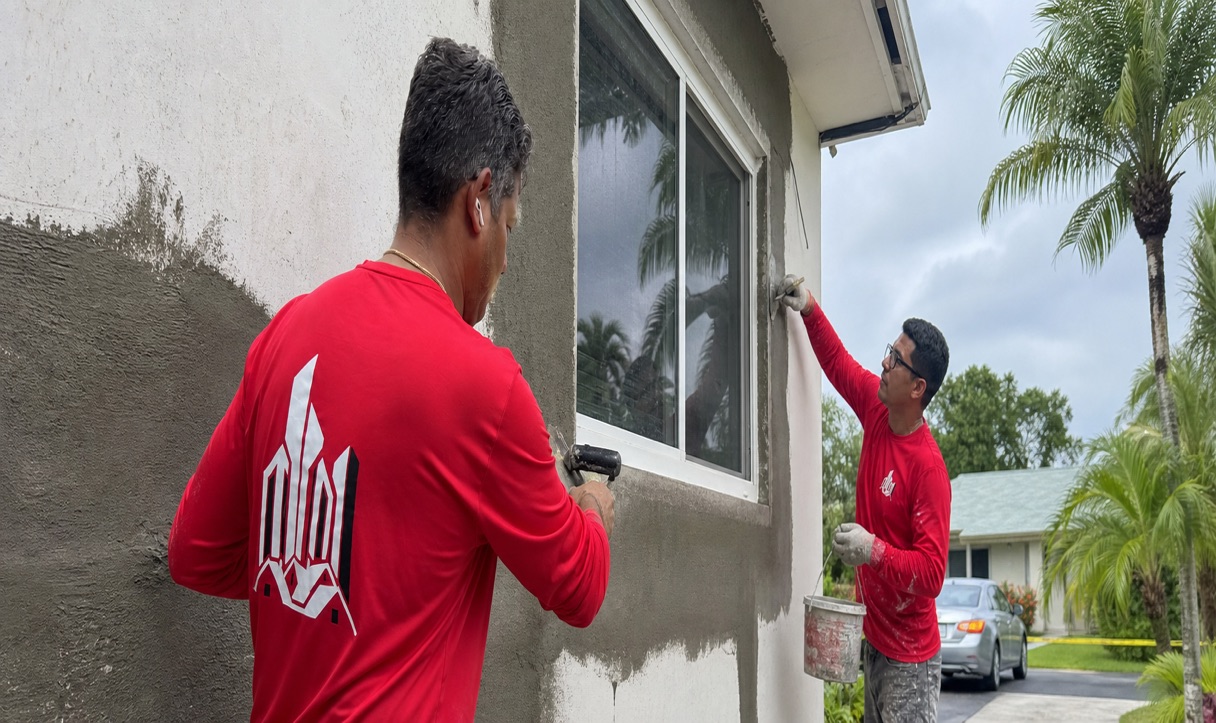
To waterproof a Miami home before hurricane season, begin with known leak history and a complete exterior inspection. The useful question is not simply which waterproof coating to buy. It is where water is entering, what pathway it follows and which component is responsible. Correcting the source is more reliable than covering the visible stain.
Review walls, windows, doors, roof transitions, balconies, decks and penetrations. Ask occupants where stains appear and whether they occur during ordinary rain or only when wind comes from one direction. That pattern can narrow the investigation and prevent unnecessary coating of surfaces that are not causing the problem.
For Miami properties, this step should be documented with dated photos and clear notes about the surface, location and observed condition. Documentation helps an owner compare changes after heavy rain and gives contractors better information when preparing a scope. It also discourages rushed cosmetic work that may cover a moisture symptom without correcting its source.
Product selection comes after diagnosis. A coating, primer or sealant must be compatible with the existing surface and must be installed within the manufacturer requirements for preparation, coverage, temperature, moisture and cure time. When the cause involves roofing, structure, windows, electrical systems or code compliance, the appropriate licensed professional should evaluate that part before painting proceeds.
- Map every past stain and leak
- Inspect outside and inside at the same location
- Prioritize active entry points before cosmetic work
Check Stucco Cracks, Window Joints and Wall Penetrations
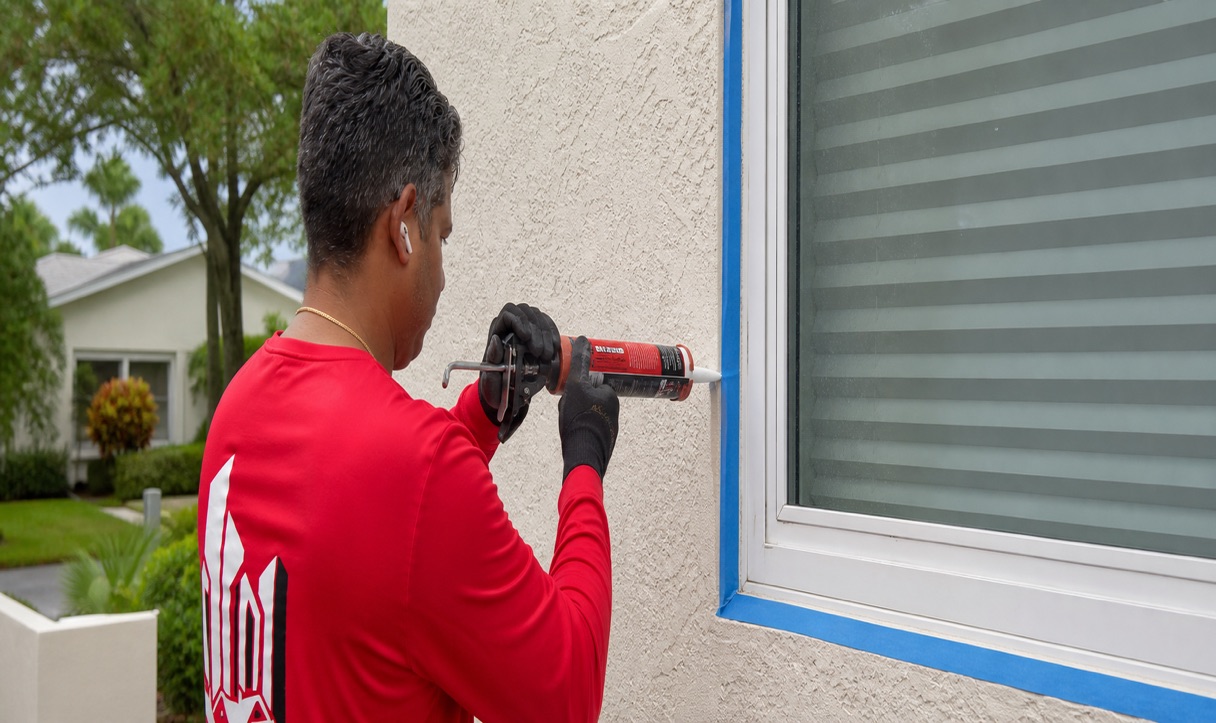
Wind driven rain can exploit small discontinuities. Inspect window perimeters, door frames, vents, pipes, lights, hose connections and the points where stucco meets dissimilar materials. Failed sealant may look separated, cracked or hardened. Stucco cracks may be most visible at window corners and long wall openings.
Do not assume a bead of new sealant will solve every leak. Window systems often include drainage paths that must remain open, and water may enter above the stained area. Remove failed material where appropriate, prepare clean joint faces and install compatible sealant with the correct joint shape.
For Miami properties, this step should be documented with dated photos and clear notes about the surface, location and observed condition. Documentation helps an owner compare changes after heavy rain and gives contractors better information when preparing a scope. It also discourages rushed cosmetic work that may cover a moisture symptom without correcting its source.
Product selection comes after diagnosis. A coating, primer or sealant must be compatible with the existing surface and must be installed within the manufacturer requirements for preparation, coverage, temperature, moisture and cure time. When the cause involves roofing, structure, windows, electrical systems or code compliance, the appropriate licensed professional should evaluate that part before painting proceeds.
Review Roof Edges, Parapets and Drainage
Waterproofing walls while ignoring the roof edge can leave the main entry path untouched. Look for deteriorated parapet caps, open coping joints, failed flashing and stains below scuppers. Gutters and downspouts should discharge away from walls and foundations rather than soaking the same area during every storm.
Roof defects should be evaluated by a qualified roofing professional. A wall coating is not a substitute for roof repair. Owners should also clear drains and remove debris before the season, because backed up water increases exposure at seams and penetrations. Safe roof access is essential.
For Miami properties, this step should be documented with dated photos and clear notes about the surface, location and observed condition. Documentation helps an owner compare changes after heavy rain and gives contractors better information when preparing a scope. It also discourages rushed cosmetic work that may cover a moisture symptom without correcting its source.
Product selection comes after diagnosis. A coating, primer or sealant must be compatible with the existing surface and must be installed within the manufacturer requirements for preparation, coverage, temperature, moisture and cure time. When the cause involves roofing, structure, windows, electrical systems or code compliance, the appropriate licensed professional should evaluate that part before painting proceeds.
Identify Moisture Before Applying a Waterproof System
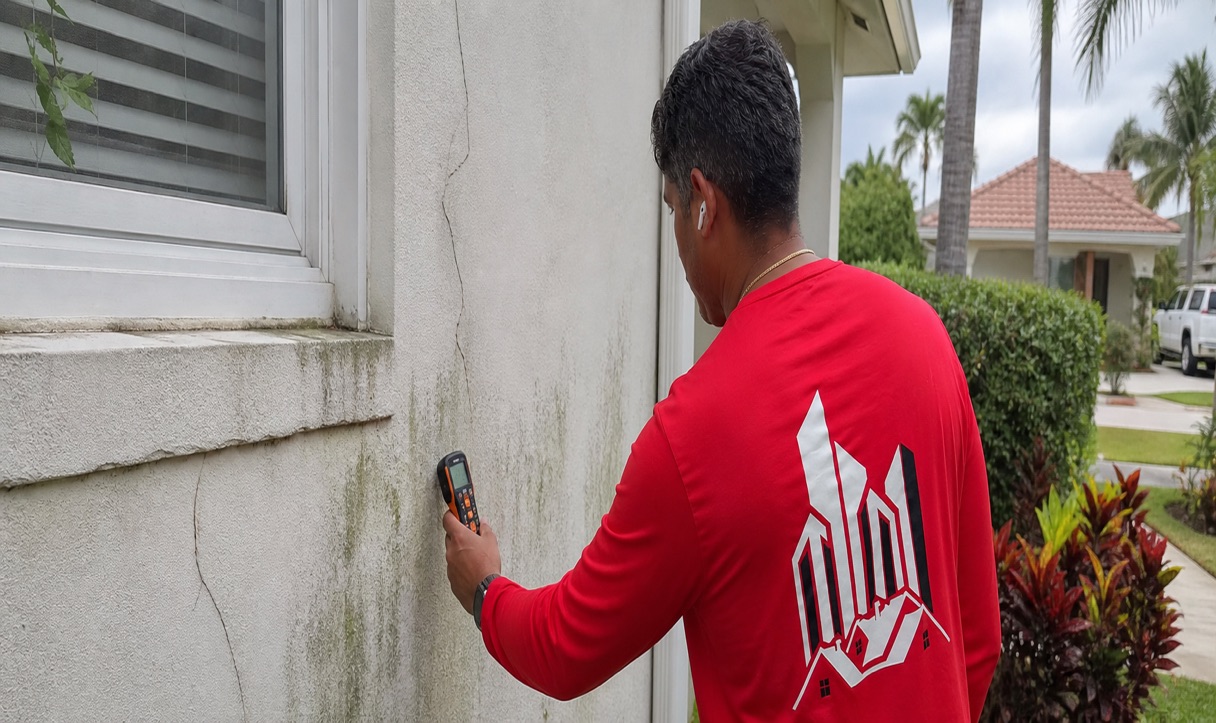
A wall can feel dry while retaining moisture below the surface. Visual inspection, moisture readings and recent weather history provide a better picture. Efflorescence, blistering, peeling and recurring dark marks are warning signs. Interior baseboards and drywall can also reveal a pathway that begins outside.
When moisture is present, correct the source and allow drying. Wet insulation, drywall or wood may need removal by an appropriate professional. Coating a damp surface can trap moisture and produce early failure. Testing should continue until readings and site conditions support the specified system.
For Miami properties, this step should be documented with dated photos and clear notes about the surface, location and observed condition. Documentation helps an owner compare changes after heavy rain and gives contractors better information when preparing a scope. It also discourages rushed cosmetic work that may cover a moisture symptom without correcting its source.
Product selection comes after diagnosis. A coating, primer or sealant must be compatible with the existing surface and must be installed within the manufacturer requirements for preparation, coverage, temperature, moisture and cure time. When the cause involves roofing, structure, windows, electrical systems or code compliance, the appropriate licensed professional should evaluate that part before painting proceeds.
Match Repairs and Coatings to Stucco and Concrete
Stucco, concrete and painted masonry do not all receive the same treatment. Stable cracks may be routed and repaired, moving joints need flexible sealant, and porous walls may benefit from a compatible coating system. Existing layers must be sound enough to support anything applied over them.
Lumens Painting offers residential waterproofing, including targeted stucco waterproofing. The scope should state surface preparation, repair materials, primer, number of coats and coverage requirements so the owner can evaluate more than the finish color.
For Miami properties, this step should be documented with dated photos and clear notes about the surface, location and observed condition. Documentation helps an owner compare changes after heavy rain and gives contractors better information when preparing a scope. It also discourages rushed cosmetic work that may cover a moisture symptom without correcting its source.
Product selection comes after diagnosis. A coating, primer or sealant must be compatible with the existing surface and must be installed within the manufacturer requirements for preparation, coverage, temperature, moisture and cure time. When the cause involves roofing, structure, windows, electrical systems or code compliance, the appropriate licensed professional should evaluate that part before painting proceeds.
Protect Balconies, Ledges and Horizontal Surfaces
Horizontal surfaces collect more water than vertical walls. Inspect balcony decks, rail penetrations, sills, caps and decorative ledges for cracks, failed membranes and poor slope. Water that remains after rain can enter around fasteners or migrate into adjacent walls.
These assemblies can be complex. Railings, tile and door thresholds may connect to concealed waterproofing. Avoid surface patches that redirect water into another component. Where the assembly is beyond painting scope, obtain evaluation from the appropriate licensed contractor before selecting a finish system.
For Miami properties, this step should be documented with dated photos and clear notes about the surface, location and observed condition. Documentation helps an owner compare changes after heavy rain and gives contractors better information when preparing a scope. It also discourages rushed cosmetic work that may cover a moisture symptom without correcting its source.
Product selection comes after diagnosis. A coating, primer or sealant must be compatible with the existing surface and must be installed within the manufacturer requirements for preparation, coverage, temperature, moisture and cure time. When the cause involves roofing, structure, windows, electrical systems or code compliance, the appropriate licensed professional should evaluate that part before painting proceeds.
Allow Enough Dry Weather for Installation and Curing
Waterproofing work should not be scheduled as a last minute response to a forecast storm. Cleaning, repairs and coatings each need suitable conditions. Some materials require multiple coats or specific recoat intervals. Humidity, shade and porous masonry can extend drying time in Miami.
Build a weather allowance into the schedule and stop when the forecast no longer meets product requirements. Secure tools and materials before severe weather. A fully cured, correctly installed system is more valuable than an incomplete application rushed onto a damp wall.
For Miami properties, this step should be documented with dated photos and clear notes about the surface, location and observed condition. Documentation helps an owner compare changes after heavy rain and gives contractors better information when preparing a scope. It also discourages rushed cosmetic work that may cover a moisture symptom without correcting its source.
Product selection comes after diagnosis. A coating, primer or sealant must be compatible with the existing surface and must be installed within the manufacturer requirements for preparation, coverage, temperature, moisture and cure time. When the cause involves roofing, structure, windows, electrical systems or code compliance, the appropriate licensed professional should evaluate that part before painting proceeds.
Create a Maintenance Record for the Home
After work is complete, save photos, product data, colors and repair locations. Recheck the property during ordinary rain before hurricane conditions arrive. Confirm that drains flow, repaired joints remain closed and interior stains do not return.
Waterproofing is maintenance, not a permanent shield against every storm. Inspect yearly and after severe weather. Early correction of a small opening is usually simpler than repairing widespread moisture damage. A documented plan also helps future contractors understand what was installed.
For Miami properties, this step should be documented with dated photos and clear notes about the surface, location and observed condition. Documentation helps an owner compare changes after heavy rain and gives contractors better information when preparing a scope. It also discourages rushed cosmetic work that may cover a moisture symptom without correcting its source.
Product selection comes after diagnosis. A coating, primer or sealant must be compatible with the existing surface and must be installed within the manufacturer requirements for preparation, coverage, temperature, moisture and cure time. When the cause involves roofing, structure, windows, electrical systems or code compliance, the appropriate licensed professional should evaluate that part before painting proceeds.
Continue Planning Your Project
To separate coating maintenance from moisture problems, continue with How to Prepare and Waterproof a Cutler Bay Home Before Heavy Rain and How to Protect Stucco From Wind Driven Rain in Miami. Apply the guidance to your own property; location-specific approvals and site conditions still need individual review.
Common Questions
Frequently Asked Questions
What parts of a Miami home should be waterproofed first?
Start with known leak locations, wall cracks, window and door joints, roof transitions, balconies and places where water collects. The correct approach depends on the moisture source, substrate condition, drainage, joints, and previous coatings. An inspection helps determine whether cleaning, repairs, sealing, or a compatible waterproofing system is appropriate for the property.
How early should waterproofing begin before hurricane season?
Begin several weeks before regular heavy rain so inspection, repairs and coating cure time are not rushed. The correct approach depends on the moisture source, substrate condition, drainage, joints, and previous coatings. An inspection helps determine whether cleaning, repairs, sealing, or a compatible waterproofing system is appropriate for the property.
Will sealant stop every window leak?
No. Sealant helps only when the joint is the source. Flashing, drainage or window assembly defects may require a specialist.
Can waterproofing be applied over damp walls?
Most systems require a clean, sound and suitably dry surface. Trapped moisture can cause poor adhesion or hide an active problem. The correct approach depends on the moisture source, substrate condition, drainage, joints, and previous coatings.
How do I know whether a stain is still active?
Document it, check it after rain and use professional moisture testing when needed. A dry looking stain alone does not confirm the leak is solved. The correct approach depends on the moisture source, substrate condition, drainage, joints, and previous coatings.