
Doral Commercial Painting
Commercial Painting in Doral: A Finish-Planning Checklist for New Mixed-Use Developments
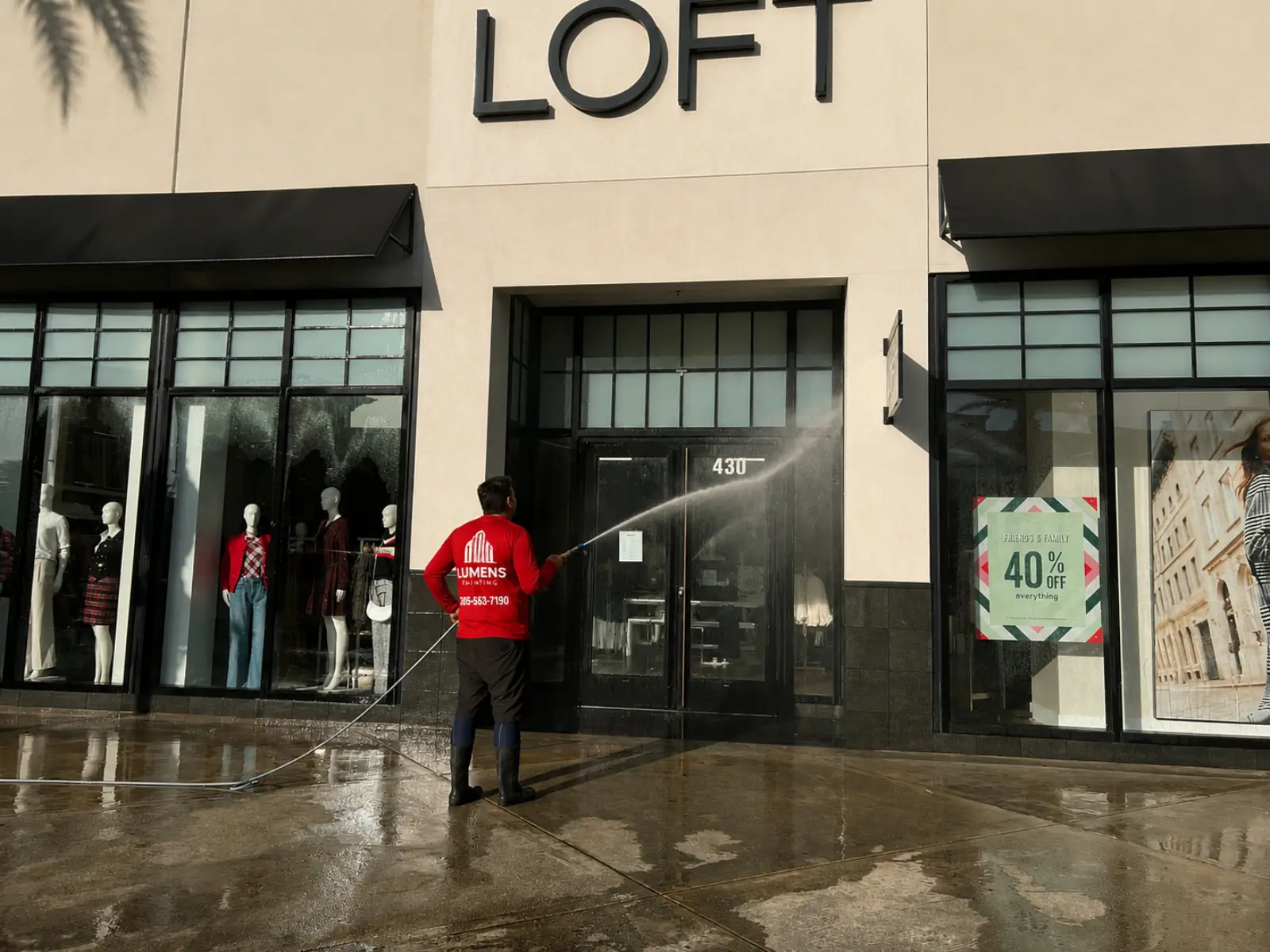
Lumens Painting portfolio example of storefront surface cleaning; not a photograph of Doral 10 or a claim of work on that development.
Start with a finish schedule, not just a paint color
A good commercial painting plan for a mixed-use property in Doral starts by matching each surface to its preparation, finish and use. Storefront walls, residential corridors, service doors and outdoor common areas do not all face the same wear. A coordinated schedule helps the owner compare bids, the contractor sequence work and the property manager maintain the finished building. Color selection matters, but it should follow the decisions that determine whether the coating can perform on the actual substrate.
This checklist is for developers, building owners and managers evaluating commercial painting services. It applies to a proposed development as well as a phased refresh of an occupied property. Lumens Painting Doral can discuss a painting or surface-maintenance scope for a local property. Suitability for a particular contract must be established through the specifications, documented qualifications and the owner’s selection process, not inferred from an article.
Doral 10 provides a local planning example—not a claimed assignment
In its March 19, 2026 Doral 10 Industry Day announcement, the city described a potential mixed-use development on a city-owned site between NW 102nd and NW 104th Avenues near NW 69th Street. The announcement discussed a public–private partnership approach and an informational event. That dated announcement is useful local context; it is not evidence that construction has started, that a final design has been approved or that a painting contract has been awarded.
Lumens Painting is not claiming an assignment, endorsement or award connected to Doral 10. If a future opportunity becomes relevant, the team would need to review the actual bid documents and demonstrate compliance with its requirements. The practical lesson for any mixed-use owner is to plan finishes early enough that commercial uses, homes and common areas receive appropriate specifications rather than a single generic allowance.
Separate tenant spaces, common areas and the exterior envelope
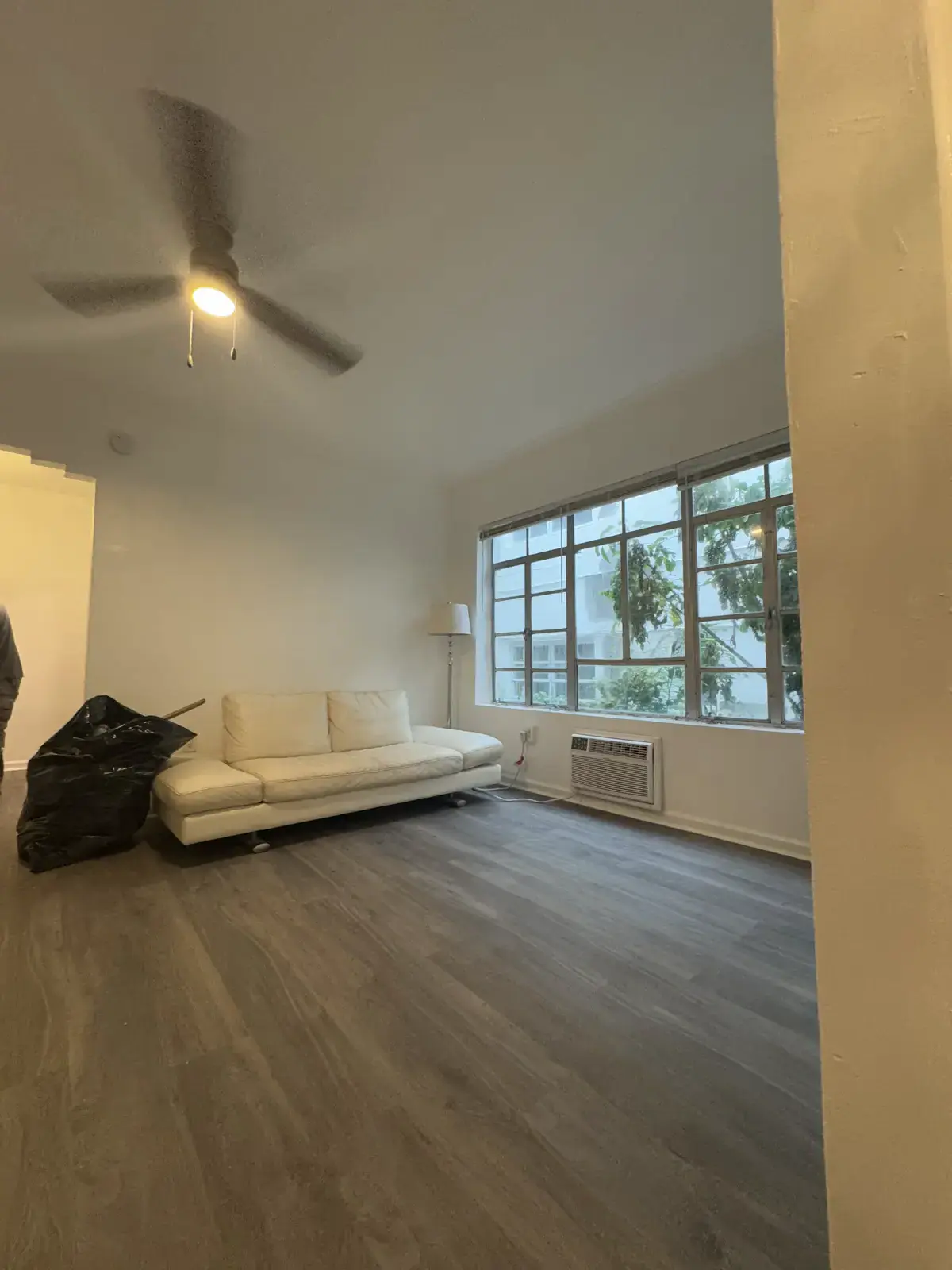
Build the finish schedule around how people use each space. A retail tenant may have brand standards and its own fit-out contractor. Residential corridors need an agreed appearance across multiple floors. Loading areas, stairs and utility rooms may have maintenance priorities that differ from a lobby. List who approves each finish and who pays for work at the boundaries between tenant and building scopes. This prevents gaps such as an unassigned storefront soffit or a door frame excluded by both contractors.
For commercial interior painting, record the substrate, finish sheen, approved color, cleaning expectations and ventilation plan. For commercial exterior painting, document exposure, access and the condition of the existing coating. Do not assume a decorative wall paint is appropriate for a walking surface or that a washable interior finish is a substitute for an exterior system. Product selection should follow the specified application and manufacturer instructions.
Make substrate readiness a written handoff
Before the painting crew starts, decide how readiness will be checked. New drywall may need additional finishing; existing masonry may have loose paint or contaminated patches. Metal components can arrive with incompatible factory finishes or areas requiring repair. The handoff should identify who resolves those conditions and how the work is approved before coating. Photographs and a short exception list are often more useful than a vague statement that everything is ready.
Sherwin-Williams’ surface-preparation guidance emphasizes selecting preparation for the substrate and applying coatings to suitably clean, sound, dry surfaces. The project’s specific product data remains the controlling reference for application conditions. Ask the contractor to identify the chosen system and readiness checks in the proposal. For owners comparing options, our guide to commercial building coatings in South Florida explains the questions to raise before approving a finish.
Coordinate cleaning, access and neighboring activities
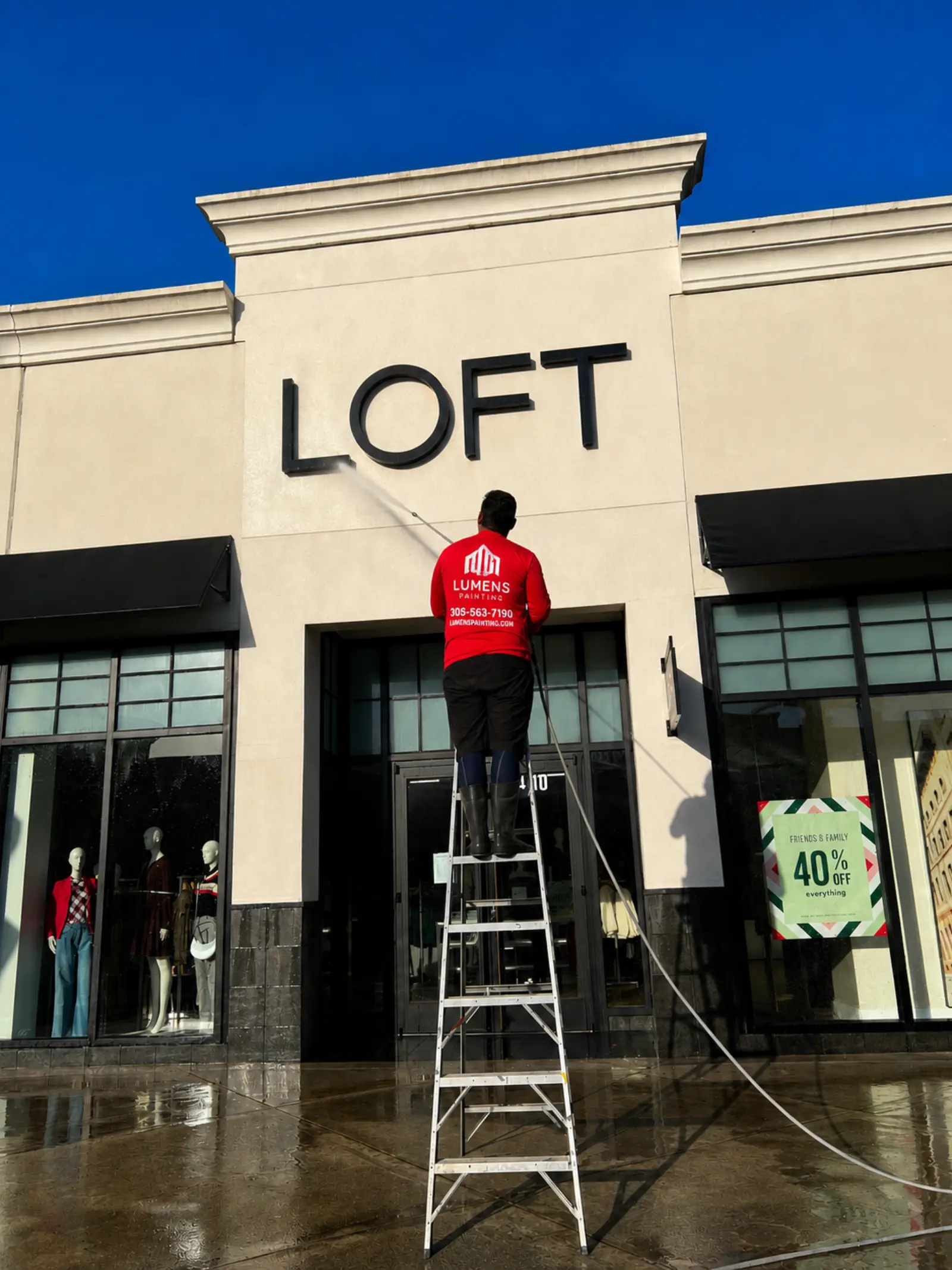
Painting should not be scheduled in isolation from cleaning and other trades. Exterior washing, grinding or landscape work next to a freshly coated wall can interfere with the finish or the work area. Plan those dependencies before the crew arrives. A ground-level storefront example in the commercial property pressure washing portfolio illustrates the type of surface-maintenance work that may precede a finish project. It is a portfolio reference, not documentation of the Doral 10 proposal.
Access planning also needs an owner. Identify pedestrian routes, delivery hours, permitted staging areas and the person who can authorize a temporary closure. Have building management coordinate any occupied-area ventilation or access restrictions. If the project requires specialized elevated access, ask for the appropriate method and qualified operators in the proposal. A low painting allowance can become misleading when protection and access equipment are left outside the scope.
Approve mockups before repeating a finish across the building
A sample can reveal differences that a small color chip cannot. Review wall and trim combinations in the lighting where they will be used, and agree on the expected texture and sheen. A large mixed-use property benefits from one documented approval that every crew and phase can refer to. Record the product, color formula and application method with the approved sample, so later touchups are not based only on a photograph or a remembered color name.
For a phased renovation, decide what constitutes a complete area. A corridor might include doors, frames and small repairs, or only walls; either can be valid if the agreement is clear. Establish how existing defects and later trade damage will be treated. A written punch list helps distinguish incomplete painting from a new scratch caused after an area has been handed over. This clarity is particularly valuable when tenants move in while other areas remain under construction.
Compare commercial painting bids on the same scope
Ask each bidder to price the same surfaces and describe assumptions about access, preparation and occupancy. Request separate allowances for unresolved repairs instead of burying them in a broad contingency. Check whether protection, daily cleanup, sample panels and final touchups are included. For a useful budgeting companion, read what affects commercial building painting costs; a square-foot figure without a defined surface and condition is not a complete estimate.
A contractor shortlist should be based on comparable work, relevant credentials, insurance documentation and the ability to meet the actual schedule. Ask for supporting documents directly and confirm requirements with the owner or procurement team. Lumens Painting can be considered for the painting and maintenance services it offers, but the article does not certify eligibility for a particular public project. Where the scope exceeds those services, involve the appropriate qualified trade or professional.
- Define surfaces and exclusions, including tenant/building boundaries.
- List readiness checks, repairs, primers, topcoats and sample approvals.
- Coordinate work zones, access, ventilation and return-to-service restrictions.
- Specify documentation, punch-list review and future maintenance records.
Give the future property manager a usable closeout package
At completion, collect the finish schedule, product data, color records, approved changes and any written warranty terms. Mark which areas were completed in each phase and retain dated photographs. These records make it easier to plan a compatible touchup, identify repeated damage and brief a new facilities manager. A maintenance plan should respond to the observed condition of the building rather than promise that every wall will last an identical number of years.
For a Doral property ready for review, share plans or photographs, the address, occupied hours and the intended scope through the project intake form. Lumens Painting can then discuss a site assessment and an itemized proposal. Any potential development-related work remains conditional on the final design, owner requirements and formal selection. This article was prepared October 1, 2026; consult the city’s current procurement information before treating an earlier planning announcement as an active opportunity.
Continue Planning Your Project
To plan the related surfaces, schedule and finish requirements, read Commercial Building Painting Costs: A Miami Property Manager’s Guide and Best Paint and Coatings for Commercial Buildings in South Florida. Apply the guidance to your own property; location-specific approvals and site conditions still need individual review.
Common Questions
Frequently Asked Questions
Is Lumens Painting working on the Doral 10 development?
This article does not claim that Lumens Painting has a contract for Doral 10. The city announcement is used as context for discussing finish planning on mixed-use properties. Any future participation would depend on the actual scope, procurement requirements and a formal award.
When should a commercial painting contractor join project planning?
Invite painting contractors when the surface schedule, specifications and access constraints can be reviewed together. Early review helps identify sample approvals, substrate readiness and protection needs before installation dates are fixed. The general contractor or owner should still approve the final sequence and responsibilities in writing.
Can one paint system cover every surface in a mixed-use building?
No, different surfaces and uses can require different compatible systems. Drywall, exterior stucco, metal doors and frequently cleaned common areas should be evaluated separately. Ask for a finish schedule listing preparation, primer, topcoat and approved color for each surface.
How can painting be coordinated with occupied shops or apartments?
Use a phased work plan with clearly communicated access and reopening times. Separate active work zones from customers, residents and deliveries, and coordinate ventilation with building management. Product drying and return-to-service requirements should determine when a space is handed back.
What should a Doral commercial painting estimate include?
It should identify the surfaces, preparation, products, access equipment and exclusions. Ask how repairs, color changes, weather delays and work outside normal hours are handled. Comparing those details is more useful than comparing price alone when scopes differ.