
Waterproofing and Coating Are Related but Not Identical
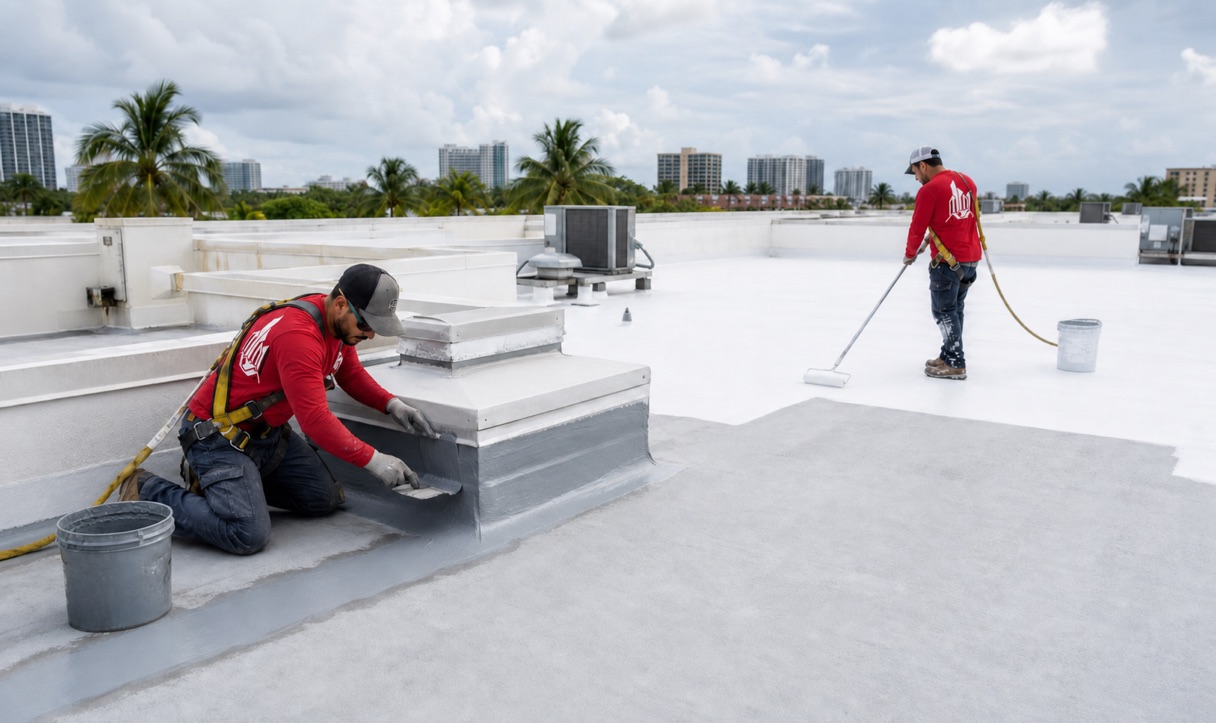
Commercial roof waterproofing describes the details and systems that prevent water from entering the roof assembly. Roof coating is a liquid-applied protective layer installed across an eligible roof surface. A coating may be part of a waterproofing maintenance strategy, but it does not make every damaged roof watertight. The roof’s age, assembly, moisture condition, seams, drainage and flashing determine whether coating is appropriate.
Confusion begins when all white liquid roof products are treated as the same solution. Field coating, reinforced repairs, seam treatment and flashing work have different purposes. A contractor should inspect the roof and identify defects before recommending broad application. Wet insulation, structural deck damage or a failed assembly may require roofing work beyond coating.
What Commercial Roof Waterproofing Addresses
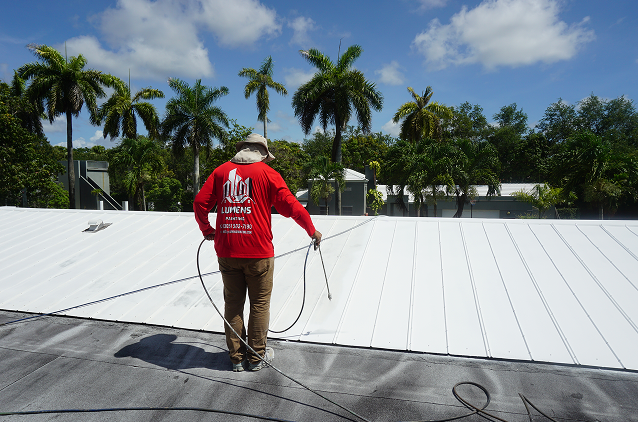
Waterproofing focuses on pathways where water can enter: open seams, penetrations, drains, curbs, parapet transitions and damaged membrane. Repairs may use compatible flashing materials, reinforced liquid membranes, sealants or replacement components. The correct detail depends on the existing roof system. Materials that adhere to one membrane may be incompatible with another.
Waterproofing also depends on drainage. Ponding water increases stress and can reveal slope or drain problems. A surface product should not be expected to correct geometry. The inspection should document ponding, blocked drains and signs of trapped moisture. Repairs are more credible when they explain the route of water and how each detail interrupts it.
What a Roof Coating Does
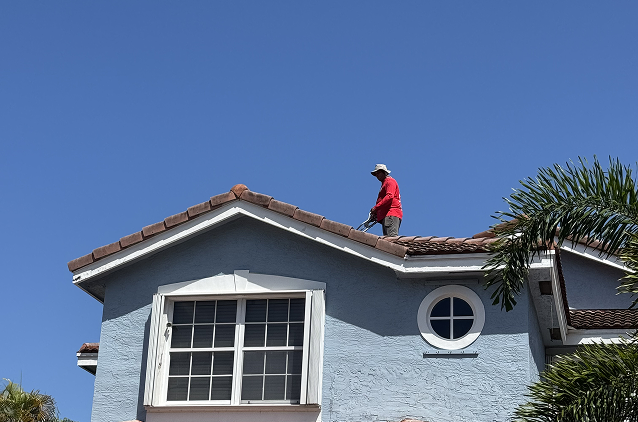
A roof coating creates a continuous protective film over a prepared roof field. Reflective white coatings can reduce surface temperature and UV exposure, which may support the service life of compatible assemblies. Products vary in chemistry, thickness, reinforcement and ponding-water tolerance. They must be applied at specified rates after cleaning, repairs and primer when required.
Coating is most effective when the existing roof is fundamentally serviceable. It can renew weathered surfaces and create easier maintenance visibility. It cannot dry wet insulation, restore a deteriorated deck or permanently bridge uncontrolled movement. Owners should be cautious when coating is proposed without core information, moisture investigation or close review of seams and penetrations.
Inspection Before Choosing Either Option
Begin with roof history, leak locations, previous repairs and warranty status. Visual inspection should cover membrane condition, seams, flashings, curbs, drains, penetrations, parapets and ponding. Interior staining can help establish timing but may not sit directly below the entry point. Water can travel along decks or insulation before becoming visible.
Moisture scanning or test cuts may be appropriate when trapped water is suspected, typically under qualified roofing direction. Existing warranties can limit which products or contractors may work on the assembly. The owner should verify these conditions before authorizing a coating that could affect coverage. Diagnosis protects the budget from being spent on a system that the roof cannot support.
Preparation and Application Differences
Localized waterproofing begins with cleaning and removing failed material at each detail. Reinforcement, sealant and membrane are installed according to joint shape and movement. Roof coating requires broad cleaning, repair of defects, treatment of seams and penetrations, and application across the field at a controlled thickness. Spray or roller methods may be used depending on the product and site.
Weather windows are critical. Roof surfaces must meet moisture and temperature requirements, and sudden rain can damage uncured material. Miami humidity and summer storms make scheduling important. Contractors should monitor forecasts, plan manageable sections and stop with enough cure time. Overspray control also matters near vehicles, neighboring properties and rooftop equipment.
Cost and Lifecycle Considerations
Localized repair costs less initially when defects are limited and the roof remains serviceable. Broad coating costs more because it covers the entire field, yet it may improve reflectivity and create a renewed maintenance surface. Neither should be selected solely by lowest initial price. Compare expected service, warranty terms, maintenance and the likelihood that underlying moisture changes the outcome.
A cheap coating applied below the required thickness can fail to deliver the properties represented by the product. Proposal quantities and roof area help owners verify reasonable coverage. Repairs should be itemized, and saturated areas should not disappear into a general preparation allowance. Clear scope makes future maintenance easier because the owner knows what was repaired and where.
Maintenance After Waterproofing or Coating
Keep drains clear and remove debris that holds moisture. Inspect after major storms and after other trades install equipment or make penetrations. Service technicians can puncture or contaminate a coating if access is uncontrolled. Walk pads and designated routes can protect frequently traveled areas. Record photographs and repair materials for future inspections.
Coated roofs may require cleaning to maintain reflectivity, but cleaning methods must not damage the film. Sealants and reinforced details age differently from open roof fields. Scheduled inspection catches small splits or impact damage before water reaches insulation. Maintenance is a normal part of roof ownership, not evidence that the original system was unnecessary.
How to Decide What Your Building Needs
Choose targeted waterproofing when specific repairable defects are causing leakage and the surrounding roof is sound. Consider a roof coating when the full assembly is eligible, dry enough, properly prepared and expected to benefit from renewed protection or reflectivity. Consider replacement or specialist roofing evaluation when there is widespread failure, saturated insulation, deck concerns or incompatible materials.
Lumens Painting offers commercial roof coating and coordinates related commercial waterproofing and concrete waterproofing details. Our scope begins with surface condition and accessible transitions. Where a roof requires structural or full replacement work, that limitation should be recognized rather than hidden under a coating proposal.
Questions to Ask a Roof Coating Contractor
Ask the contractor to identify the existing roof type and explain product compatibility. Request the measured roof area, planned material quantity and specified application rate. Confirm whether primer, seam treatment, reinforcement and detail repairs are included. A proposal should state how drains, curbs, penetrations and parapets are handled rather than describing only the open field.
Discuss weather monitoring, surface dryness and what happens if rain interrupts the work. Ask how rooftop equipment, walls and nearby vehicles will be protected from overspray. Confirm who coordinates with HVAC, solar or other roof trades. Work performed after coating can puncture the new film, so pending equipment changes should be completed or integrated into the plan whenever practical.
Review warranty terms and maintenance obligations. Manufacturer warranties may require approved products, registered contractors, inspections or minimum thickness. Workmanship coverage should be separate and understandable. Keep closeout photos, product data and quantities. If future repairs are needed, those records help select compatible materials and preserve applicable coverage.
Red Flags in a Roof Proposal
Be cautious when the recommendation is made without roof access, measurement or discussion of leaks. A promise to stop every leak with one coat ignores seams, trapped moisture and substrate condition. Another warning sign is a material quantity that cannot achieve the stated thickness across the measured area. Coverage requirements are part of the system, not an optional upgrade.
Avoid scopes that coat directly over dirt, loose material or wet surfaces. Washing alone may not prepare every membrane, and cleaning must be followed by sufficient drying. Repairs should use compatible products rather than generic caulk. If ponding or structural concerns are visible, the proposal should acknowledge them and identify whether another roofing professional is needed.
The most credible recommendation may be to postpone coating until repairs or moisture investigation are complete. That answer protects the owner from spending money on the wrong stage of work. Roof maintenance is most effective when inspection, repair, coating and future access are treated as one lifecycle rather than unrelated purchases.
Continue Planning Your Project
To separate coating maintenance from moisture problems, continue with Roof Coating Before Hurricane Season in South Florida and What Is Commercial Waterproofing and Which Building Areas Need It?. Apply the guidance to your own property; location-specific approvals and site conditions still need individual review.