
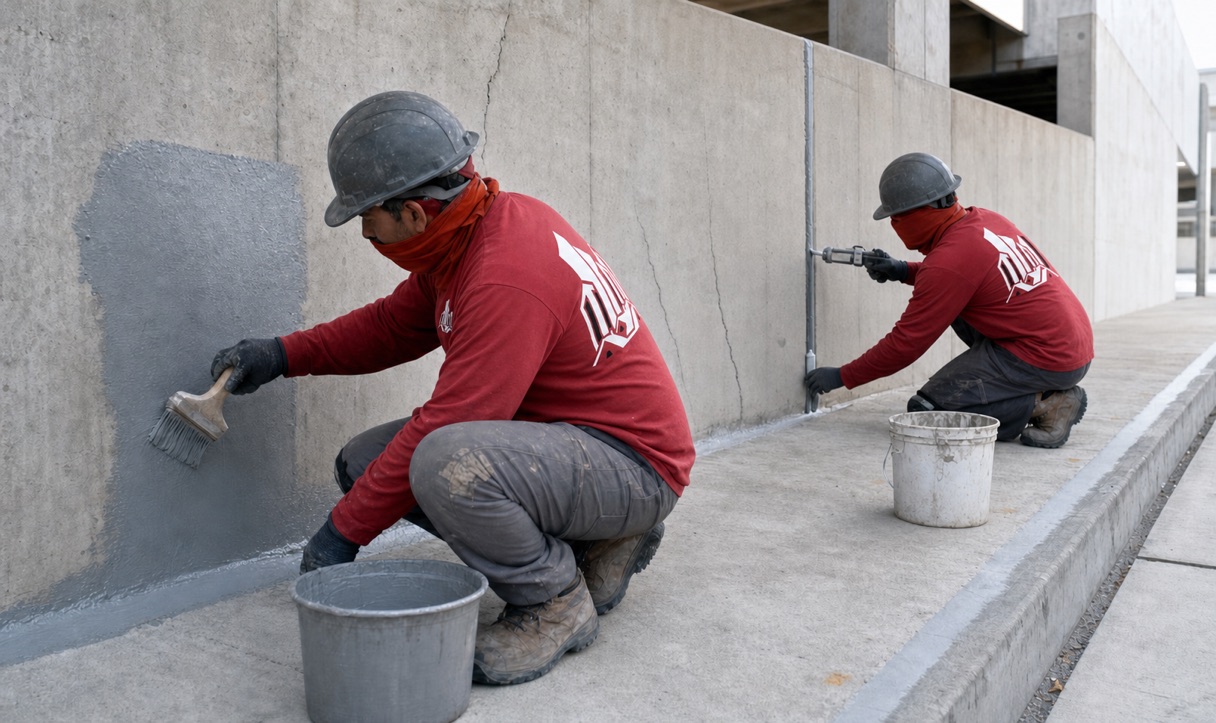
Concrete Is Durable but Not Automatically Waterproof
Concrete contains pores, joints and cracks through which moisture can move. Water can be absorbed at exposed surfaces, driven through by pressure or enter at penetrations and transitions. Miami rain, humidity and salt exposure increase the need to manage that movement. Waterproofing does not mean covering all concrete with one impermeable layer; it means selecting repairs and protection for the direction and type of exposure.
The assessment should identify whether the surface is a wall, deck, balcony, foundation or structural component. Horizontal traffic areas need different systems from vertical walls. A crack that moves requires a different detail from general porosity. Efflorescence, rust staining and spalling may indicate water reaching embedded reinforcement, which can require concrete restoration before protective coating.
Cementitious Waterproof Coatings
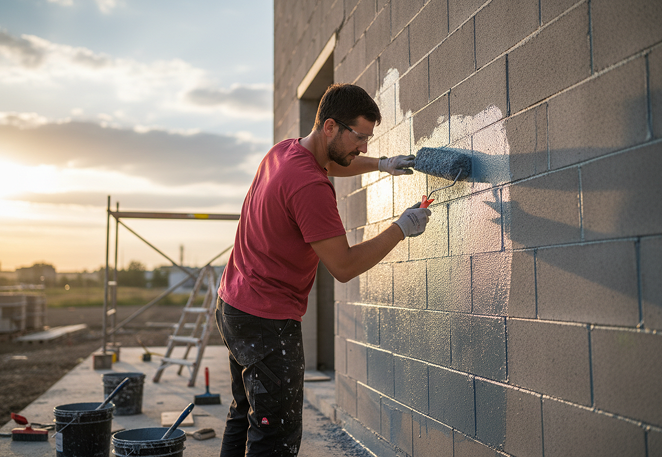
Cementitious coatings combine cement-based materials with modifiers and are applied to prepared concrete or masonry. They bond well to compatible mineral substrates and can be useful on walls, service areas and certain water-exposed surfaces. Application often uses a brush, trowel or spray in multiple passes. The substrate may need controlled dampening depending on the system.
These coatings are generally less flexible than elastomeric membranes, so cracks and joints need separate treatment. Surface preparation must remove paint, contamination and weak material that interfere with bond. They should be installed at the specified coverage rather than stretched thin. The contractor must also respect cure requirements before exposing the coating to water or applying another finish.
Liquid-Applied Membranes
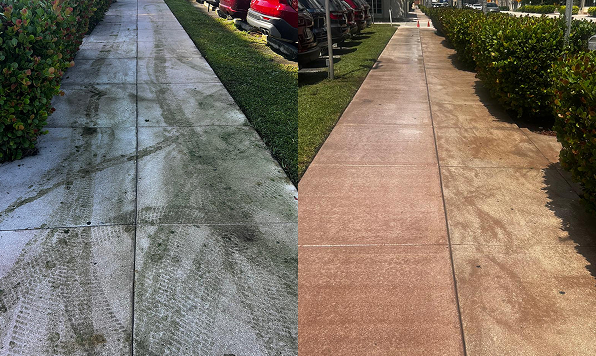
Liquid membranes cure into a continuous film and can cover complex shapes without sheet seams. Depending on chemistry, they may be used on walls, decks, balconies or transition details. Reinforcement can be embedded at cracks, corners and penetrations. Film thickness is critical: a membrane that looks complete can still be too thin to perform as designed.
Compatibility, moisture and weather must be controlled. Some membranes cannot tolerate damp substrates, while others have specific primer requirements. Horizontal applications may need a traffic-bearing topcoat or protective layer. UV exposure, slip resistance and drainage affect the final assembly. The product should be chosen for the complete use, not only because it can be rolled onto concrete.
Penetrating Sealers
Penetrating concrete sealers enter the pore structure and reduce water absorption without forming a thick surface film. They can be useful on eligible facades, walkways and other concrete where retaining a natural appearance matters. Because they do not bridge cracks or open joints, those defects need separate repair. They are water repellents, not a replacement for membranes under hydrostatic pressure.
Absorption tests and sample areas help determine whether existing coatings or contamination prevent penetration. Application rates depend on porosity. Oversaturation can leave residue, while insufficient material may not provide uniform treatment. Sealers also do not make poor drainage irrelevant. Keeping water from standing on the surface remains part of a durable maintenance plan.
Crack Repair and Joint Treatment
Cracks must be classified before repair. Nonmoving hairline cracks may accept a rigid or semi-rigid repair compatible with the coating system. Moving cracks and designed joints require flexible materials and suitable geometry. Structural cracks, displacement or widespread spalling should be evaluated beyond routine waterproofing. Filling the visible line without understanding movement can cause the repair to reopen beside the patch.
Sealant joints need clean edges, proper depth and backing material when specified. Old failed sealant should be removed rather than coated over. Penetrations, rail posts, drains and wall-to-deck transitions deserve reinforced details because water concentrates there. Most waterproofing failures begin at these discontinuities rather than across the undamaged center of a concrete panel.
Deck and Balcony Systems
Decks and balconies combine water exposure with traffic. Their systems may include primer, reinforced membrane, wear coat and slip-resistant finish. Drainage and slope must direct water to appropriate outlets. A coating cannot reliably solve ponding created by a low area or blocked drain. Edges, scuppers, door thresholds and railing penetrations are critical to the assembly.
Phasing and cure time affect occupied properties. Routes must remain safe, and residents or staff need clear reopening times. Furniture and planters should not return until the system can support them. Maintenance includes cleaning compatible with the finish and prompt repair of impact damage. High-traffic paths may wear before protected areas and should be inspected accordingly.
Positive-Side and Negative-Side Waterproofing
Positive-side waterproofing is installed where water first meets the structure, such as the exterior of a foundation or top of a deck. It generally prevents water from entering the concrete. Negative-side materials are installed from the opposite side when the source surface is inaccessible. They may control certain interior symptoms but remain exposed to pressure moving through the concrete.
The distinction matters because products are designed for particular directions of pressure. An interior coating should not be presented as identical to exterior foundation waterproofing. Drainage, excavation and structural conditions may require other specialists. A responsible recommendation explains which side is being treated and what limitations remain when access prevents work at the source.
Selecting a Concrete Waterproofing Method
Begin with exposure, substrate condition, crack movement, traffic and the location of the water source. Then choose a system with compatible preparation and details. Request product data, coverage requirements and a description of joints and penetrations. Sample areas and adhesion testing can reduce risk when previous treatments are unknown. No method should begin with application before the surface is ready.
Lumens Painting provides concrete waterproofing in Miami-Dade and related concrete sealing for appropriate surfaces. Our commercial waterproofing work coordinates walls, joints and nearby building-envelope details. A site assessment helps determine whether the project needs a penetrating treatment, a film-forming system, targeted repair or evaluation beyond coating work.
Testing and Sample Areas
Existing concrete may contain curing compounds, sealers, oils or coatings that are not obvious visually. Water-drop tests, adhesion tests and sample preparation can reveal whether a proposed system can bond or penetrate. Moisture conditions also affect products differently. Testing does not replace diagnosis, but it reduces the chance of installing a broad system over an incompatible surface.
A sample should include the planned preparation and full layer sequence. Applying product to an untouched display patch proves very little. Review appearance, texture and slip resistance after cure. On traffic surfaces, confirm that aggregates and topcoats create the intended finish. Record the accepted sample location so it becomes a clear quality reference during the project.
For large structures, divide testing by substrate and exposure. A shaded ground-level wall may behave differently from an elevated sun-exposed panel. Previously repaired areas can absorb or move differently from original concrete. Recognizing these variations allows the specification to use localized primer or detail changes without treating the entire building as inconsistent after work begins.
Maintenance After Concrete Waterproofing
Inspect joints, drains, penetrations and high-wear areas on a regular schedule. Keep water paths clear and correct irrigation or drainage that repeatedly wets the surface. Clean with methods compatible with the coating or sealer. Aggressive pressure, solvents or strong chemicals can reduce service life even when the waterproofing was installed correctly.
Repair impact damage promptly before water reaches the concrete beneath. Movement can reopen cracks, and work by other trades can puncture membranes. Keep photographs and product records so repairs use compatible materials. If mineral deposits or blisters appear, investigate the moisture source rather than covering the symptom with another coat.
Concrete protection is a managed system rather than a permanent one-time treatment. Exposure, traffic and building movement continue after application. Periodic inspection allows small details to be renewed before broad deterioration develops. That maintenance is especially valuable in Miami, where frequent rain and strong sunlight test horizontal and exposed concrete throughout the year.
Continue Planning Your Project
To separate coating maintenance from moisture problems, continue with What Is Commercial Waterproofing and Which Building Areas Need It? and Signs a Commercial Building Has a Waterproofing Problem. Apply the guidance to your own property; location-specific approvals and site conditions still need individual review.