
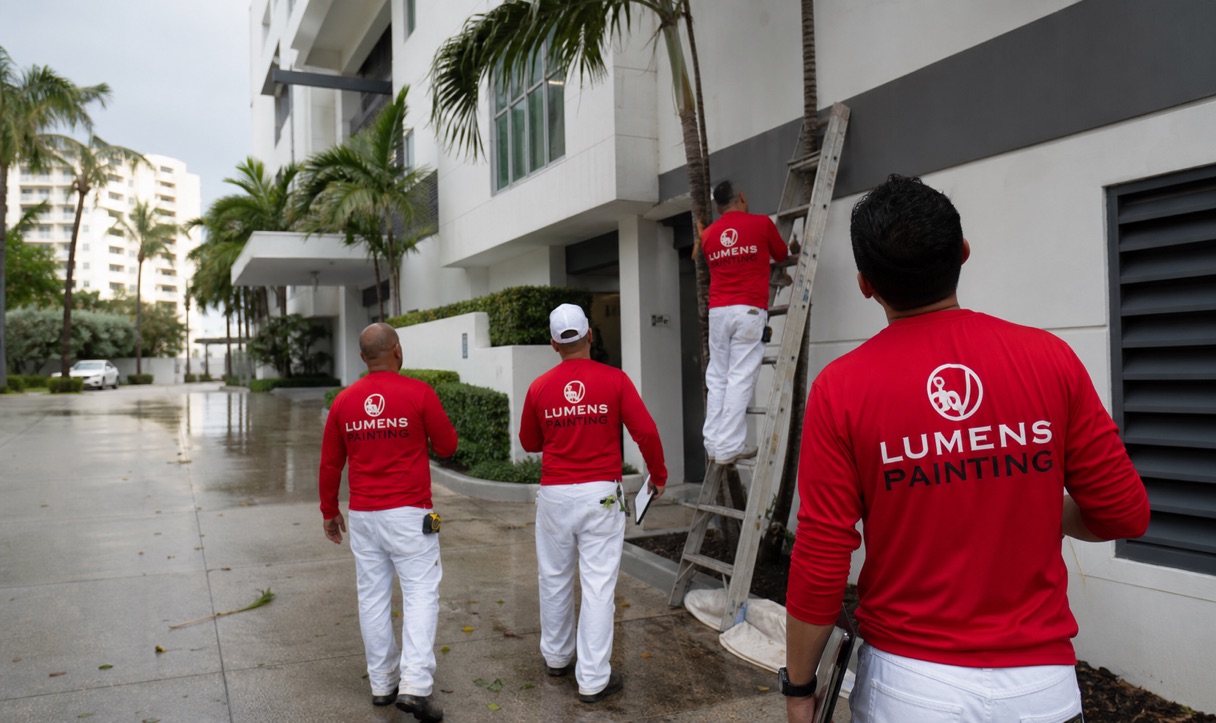
Wait for Safe Conditions Before Inspecting
A post hurricane property inspection in Miami should begin only after officials say conditions are safe. Avoid floodwater, fallen power lines, unstable trees, damaged roofs and electrical hazards. Do not climb or enter visibly unstable areas to take a photograph.
Call emergency services or the proper utility for immediate hazards. Structural, roof and electrical damage requires appropriately licensed professionals. A painting or waterproofing assessment should begin only after those risks have been controlled.
For Miami properties, this step should be documented with dated photos and clear notes about the surface, location and observed condition. Documentation helps an owner compare changes after heavy rain and gives contractors better information when preparing a scope. It also discourages rushed cosmetic work that may cover a moisture symptom without correcting its source.
Product selection comes after diagnosis. A coating, primer or sealant must be compatible with the existing surface and must be installed within the manufacturer requirements for preparation, coverage, temperature, moisture and cure time. When the cause involves roofing, structure, windows, electrical systems or code compliance, the appropriate licensed professional should evaluate that part before painting proceeds.
- Follow official local safety guidance
- Keep away from power and flood hazards
- Use licensed specialists for structural and roof concerns
Document Conditions Before Cleanup or Repairs
Take wide photographs of each elevation and room, then close views of stains, cracks, peeling paint and damaged joints. Note the date, approximate time and weather. Include an object for scale when photographing a crack.
Preserve invoices, product records and previous photos. Contact the insurer before discarding damaged materials when a claim may apply. Documentation does not determine coverage, but it gives the owner, insurer and contractors a clearer record of the condition.
For Miami properties, this step should be documented with dated photos and clear notes about the surface, location and observed condition. Documentation helps an owner compare changes after heavy rain and gives contractors better information when preparing a scope. It also discourages rushed cosmetic work that may cover a moisture symptom without correcting its source.
Product selection comes after diagnosis. A coating, primer or sealant must be compatible with the existing surface and must be installed within the manufacturer requirements for preparation, coverage, temperature, moisture and cure time. When the cause involves roofing, structure, windows, electrical systems or code compliance, the appropriate licensed professional should evaluate that part before painting proceeds.
Inspect Exterior Paint and Stucco From Ground Level
Look for new cracks, impact marks, blistering, peeling, exposed masonry and separated patches. Compare each wall with pre storm photographs when available. Windward walls and areas below roof edges often deserve extra attention.
Do not treat a new crack as a paint problem until its cause is understood. Displacement, widening and repeated diagonal patterns may need structural review. Loose coating can wait until the surface is safe and dry enough for controlled removal.
For Miami properties, this step should be documented with dated photos and clear notes about the surface, location and observed condition. Documentation helps an owner compare changes after heavy rain and gives contractors better information when preparing a scope. It also discourages rushed cosmetic work that may cover a moisture symptom without correcting its source.
Product selection comes after diagnosis. A coating, primer or sealant must be compatible with the existing surface and must be installed within the manufacturer requirements for preparation, coverage, temperature, moisture and cure time. When the cause involves roofing, structure, windows, electrical systems or code compliance, the appropriate licensed professional should evaluate that part before painting proceeds.
Check Windows, Doors and Wall Penetrations
Inspect sealant around frames, vents, lights and pipes. Wind can pull aged sealant apart or force water through a small opening. Check inside at the same elevation for stains, damp trim, lifted flooring or odor.
The visible interior mark may not identify the entry point. Water can travel within a wall before appearing. Preserve window drainage openings and ask a window specialist to evaluate damaged frames, glass or flashing.
For Miami properties, this step should be documented with dated photos and clear notes about the surface, location and observed condition. Documentation helps an owner compare changes after heavy rain and gives contractors better information when preparing a scope. It also discourages rushed cosmetic work that may cover a moisture symptom without correcting its source.
Product selection comes after diagnosis. A coating, primer or sealant must be compatible with the existing surface and must be installed within the manufacturer requirements for preparation, coverage, temperature, moisture and cure time. When the cause involves roofing, structure, windows, electrical systems or code compliance, the appropriate licensed professional should evaluate that part before painting proceeds.
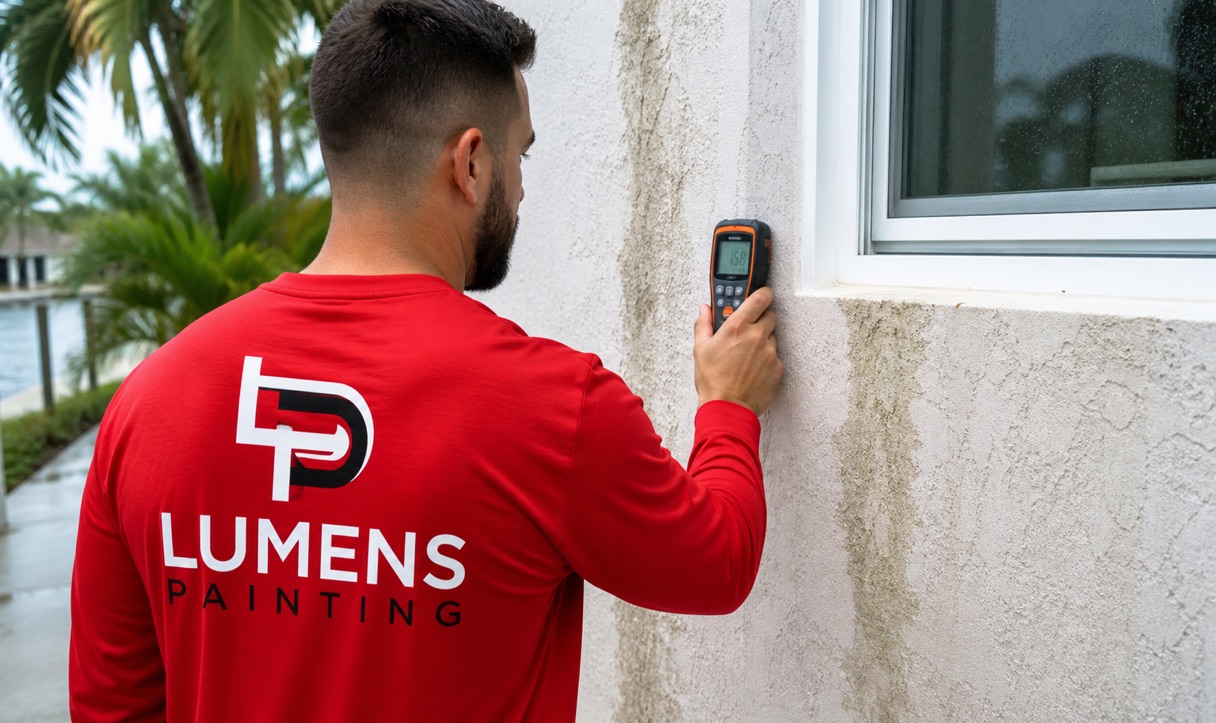
Map Moisture Instead of Painting Over Stains
Moisture readings can help define affected areas after the storm. Compare suspected locations with dry controls and repeat readings as materials dry. A meter shows a pattern but may not prove the exact entry source.
Never apply stain blocker or finish paint to conceal active moisture. Correct the source, remove materials that cannot be saved and allow proper drying. Mold, contaminated floodwater and extensive wet assemblies may require qualified remediation professionals.
For Miami properties, this step should be documented with dated photos and clear notes about the surface, location and observed condition. Documentation helps an owner compare changes after heavy rain and gives contractors better information when preparing a scope. It also discourages rushed cosmetic work that may cover a moisture symptom without correcting its source.
Product selection comes after diagnosis. A coating, primer or sealant must be compatible with the existing surface and must be installed within the manufacturer requirements for preparation, coverage, temperature, moisture and cure time. When the cause involves roofing, structure, windows, electrical systems or code compliance, the appropriate licensed professional should evaluate that part before painting proceeds.
Separate Emergency Repairs From Permanent Work
Temporary protection may prevent additional entry while permanent repairs are planned. Record every temporary measure and avoid materials that damage the surface or block drainage. A tarp or temporary seal is not proof that the assembly is repaired.
Permanent work should follow diagnosis and an organized scope. Roofing, windows, structure and waterproofing may need separate contractors. Sequence them so exterior entry sources are corrected before interior patching and painting.
For Miami properties, this step should be documented with dated photos and clear notes about the surface, location and observed condition. Documentation helps an owner compare changes after heavy rain and gives contractors better information when preparing a scope. It also discourages rushed cosmetic work that may cover a moisture symptom without correcting its source.
Product selection comes after diagnosis. A coating, primer or sealant must be compatible with the existing surface and must be installed within the manufacturer requirements for preparation, coverage, temperature, moisture and cure time. When the cause involves roofing, structure, windows, electrical systems or code compliance, the appropriate licensed professional should evaluate that part before painting proceeds.
Prepare, Prime and Repaint Only After Drying
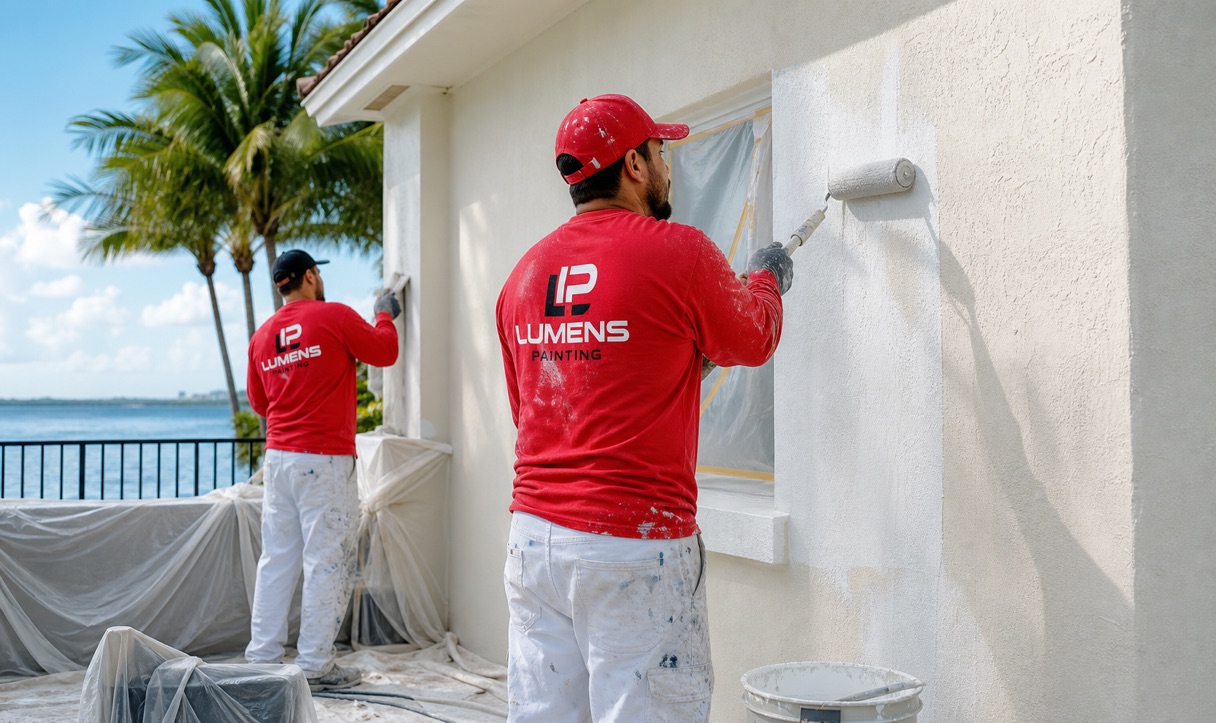
Once moisture sources are corrected, remove loose paint and unsound patching, clean contamination and allow the substrate to reach acceptable moisture conditions. Prime bare repairs and stains with compatible products before finish coats.
For exterior restoration, Lumens Painting offers exterior painting plus residential waterproofing and commercial waterproofing. The proposal should distinguish repairs from cosmetic repainting.
For Miami properties, this step should be documented with dated photos and clear notes about the surface, location and observed condition. Documentation helps an owner compare changes after heavy rain and gives contractors better information when preparing a scope. It also discourages rushed cosmetic work that may cover a moisture symptom without correcting its source.
Product selection comes after diagnosis. A coating, primer or sealant must be compatible with the existing surface and must be installed within the manufacturer requirements for preparation, coverage, temperature, moisture and cure time. When the cause involves roofing, structure, windows, electrical systems or code compliance, the appropriate licensed professional should evaluate that part before painting proceeds.
Turn the Inspection Into a Future Maintenance Plan
After repairs, create a final photo record with product names, colors and repair locations. Reinspect during ordinary rainfall and compare moisture readings where appropriate. Keep drains clear and review vulnerable joints before the next wet season.
A post storm inspection is most useful when it improves future readiness. Note which walls received wind driven rain, which details failed and which repairs performed well. That history makes the next annual inspection faster and more accurate.
For Miami properties, this step should be documented with dated photos and clear notes about the surface, location and observed condition. Documentation helps an owner compare changes after heavy rain and gives contractors better information when preparing a scope. It also discourages rushed cosmetic work that may cover a moisture symptom without correcting its source.
Product selection comes after diagnosis. A coating, primer or sealant must be compatible with the existing surface and must be installed within the manufacturer requirements for preparation, coverage, temperature, moisture and cure time. When the cause involves roofing, structure, windows, electrical systems or code compliance, the appropriate licensed professional should evaluate that part before painting proceeds.
Continue Planning Your Project
To separate coating maintenance from moisture problems, continue with Signs a Commercial Building Has a Waterproofing Problem and How to Waterproof Your Miami Home Before Hurricane Season. Apply the guidance to your own property; location-specific approvals and site conditions still need individual review.
Common Questions
Frequently Asked Questions
When is it safe to inspect a property after a hurricane?
Wait for official clearance and avoid floodwater, fallen lines, unstable structures and damaged electrical systems. Use qualified specialists for hazards. The correct approach depends on the moisture source, substrate condition, drainage, joints, and previous coatings.
Should storm stains be painted immediately?
No. Identify and correct the moisture source, allow materials to dry and replace damaged materials before priming or painting. The correct approach depends on the moisture source, substrate condition, drainage, joints, and previous coatings.
What photos should I take after a storm?
Photograph wide views and close details of every affected area before cleanup, including dates, room locations and exterior conditions. The correct approach depends on the moisture source, substrate condition, drainage, joints, and previous coatings. An inspection helps determine whether cleaning, repairs, sealing, or a compatible waterproofing system is appropriate for the property.
Can a moisture meter find the exact leak source?
It identifies moisture patterns but does not always prove the entry point. Results should be combined with visual inspection and rain history. The correct approach depends on the moisture source, substrate condition, drainage, joints, and previous coatings.
Who should inspect structural or roof damage?
Use appropriately licensed roofers, engineers or building professionals. Painting and waterproofing contractors should stay within their qualified scope. The correct approach depends on the moisture source, substrate condition, drainage, joints, and previous coatings.